

Dito Montaña, 134 YinD
I love being a Peace Corps volunteer in Thailand. Some days it’s really challenging, most days it’s full of laughs and bright moments, and every day I never know what’s going to happen. I feel like I’m growing and learning about myself in ways I could’ve never imagined. But as great as this experience has been, being a Latino volunteer is something that I’m always grappling with. I’m American, and I’m also half-Colombian and half-Brazilian, and I’ve found that once the initial excitement of service and being in a new country wears off and the real work begins, you start to look around and realize you truly are far from home. Growing up in Atlanta, GA, I was surrounded by Latino culture every day, whether it was overhearing Spanish conversations at the grocery store or cooking dinner alongside my Brazilian roommates while we danced to Reggaetón. But here at my site, I’m defined as the “American teacher.” Which is fine, that’s what I am! But my Latino identity is a big part of who I am too, and it can sometimes feel lonely when no one in your community knows what that is.
Thai and Latino culture seem to be pretty similar when you look at them through the lens of comparison. We’re both soccer-obsessed cultures. Both are home to tropical climates and beautiful natural scenery. We both love to eat and consider fruits and rice to be staples of the diet. Food is a unifying factor for both cultures – the idea of “gin leeo ru yaang” (“Have you eaten yet?”), in Thai, is a means of looking after one another and it’s essentially the same in Latino culture: “¿No has comido? ¡Vén a cenar con nosotros!” (“You haven’t eaten yet? Come eat with us!”). My favorite similarity between Thailand and Latino America is that both share a collectivist culture and place an important emphasis on family. Everyone lives under the same roof, the lives of every generation in your family intimately intertwined with your own.
But for all the comparisons, the idea of “Latino”, “Hispanic” or even “South American” just doesn’t exist here. And why would it! Thailand is worlds away from Latino America; you might see the United States represented in the Youtube videos that students watch or in the news, but Latino America just isn’t at the forefront of people’s minds here in the same way. As a Latino in Thailand, I sometimes find myself missing my own culture and language. There are times when I’m chatting with family back home and inadvertently replace Spanish or Portuguese words/phrases with their Thai translations. It can take me a while to remember the original verbiage, and it’s usually a funny slip-up that my family and I joke about. But it also reminds me that I don’t speak my mother tongue with the same frequency as I did before. Being in Thailand for so long has made my Spanish and Portuguese rusty! Since then, I’ve been trying to implement things in my daily life to remind myself of my Latino-ness. I even bought a Brazilian flag online to hang on my wall and have a piece of “home” at home!
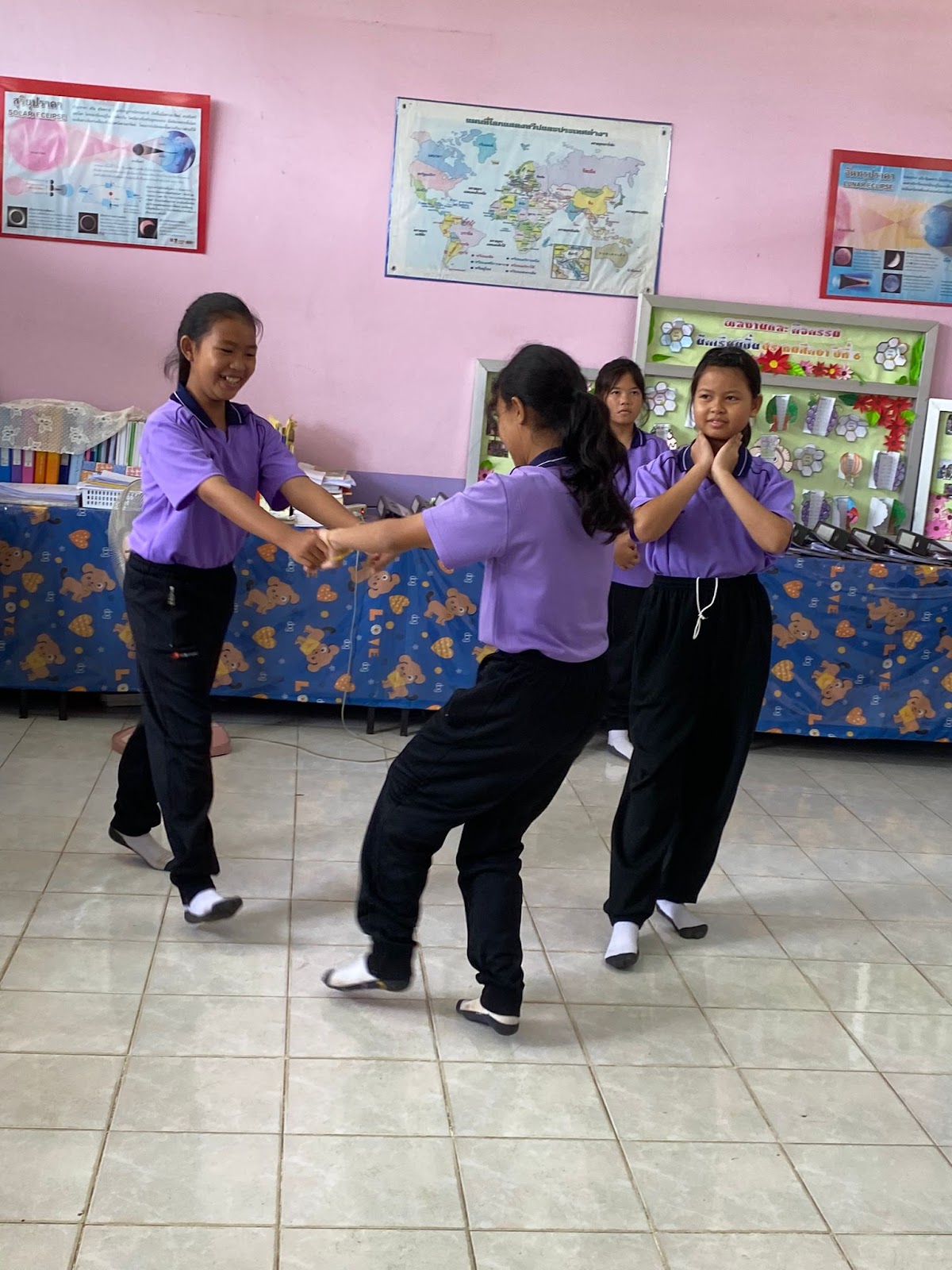
Apparently September is Latino Heritage Month in the US, a fact I never would’ve known if my White friends hadn’t told me. So to mark the occasion, I decided that all month I’d lead cultural exchange lessons about the different countries in Latino America. I started this week’s lesson with a crash course on what Latino America is, what countries are included, and then we ventured to Cuba to dance some Salsa! The kids loved Salsa, and once they got comfortable with the steps they even tried a few dips and spins.

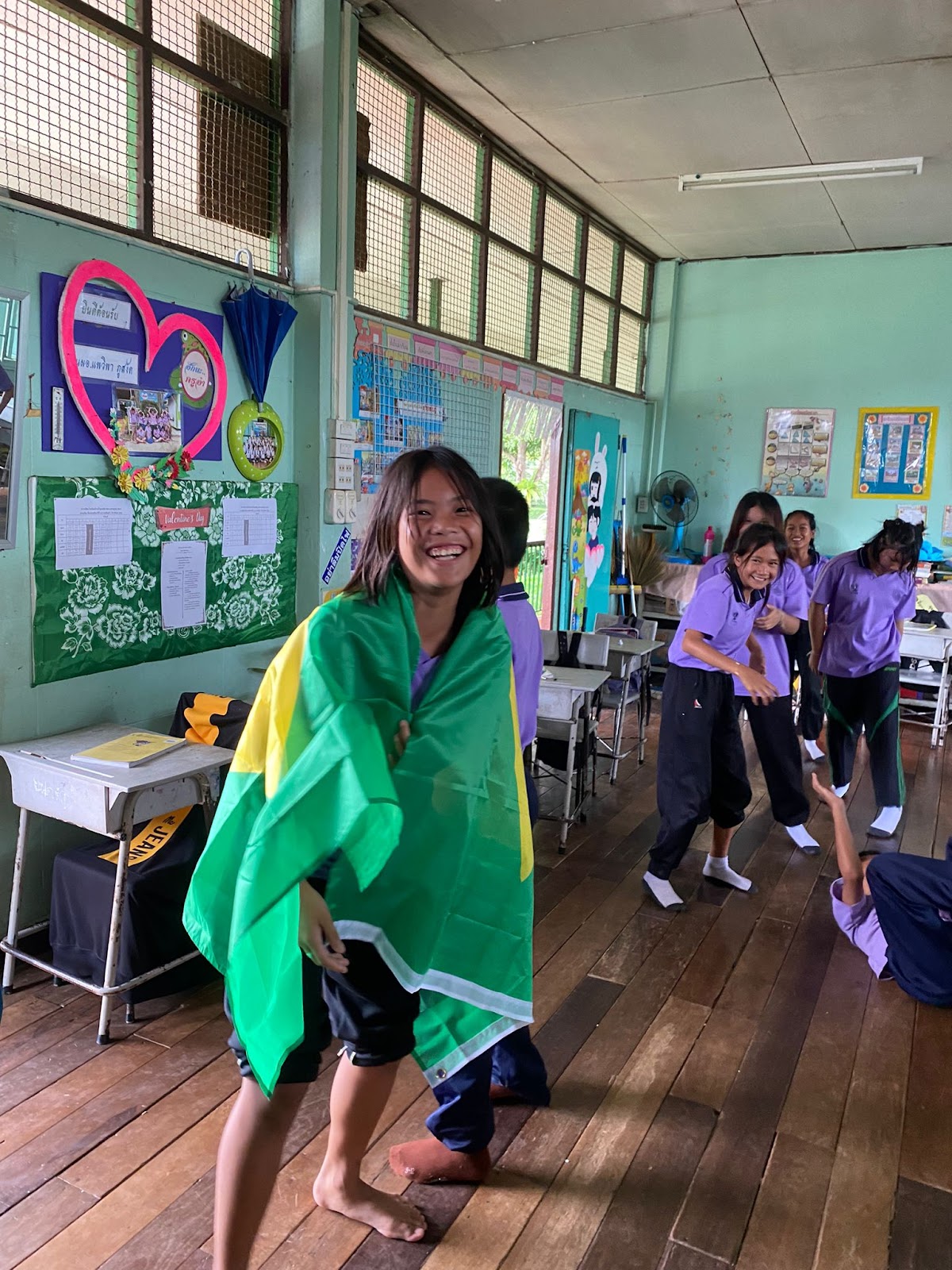
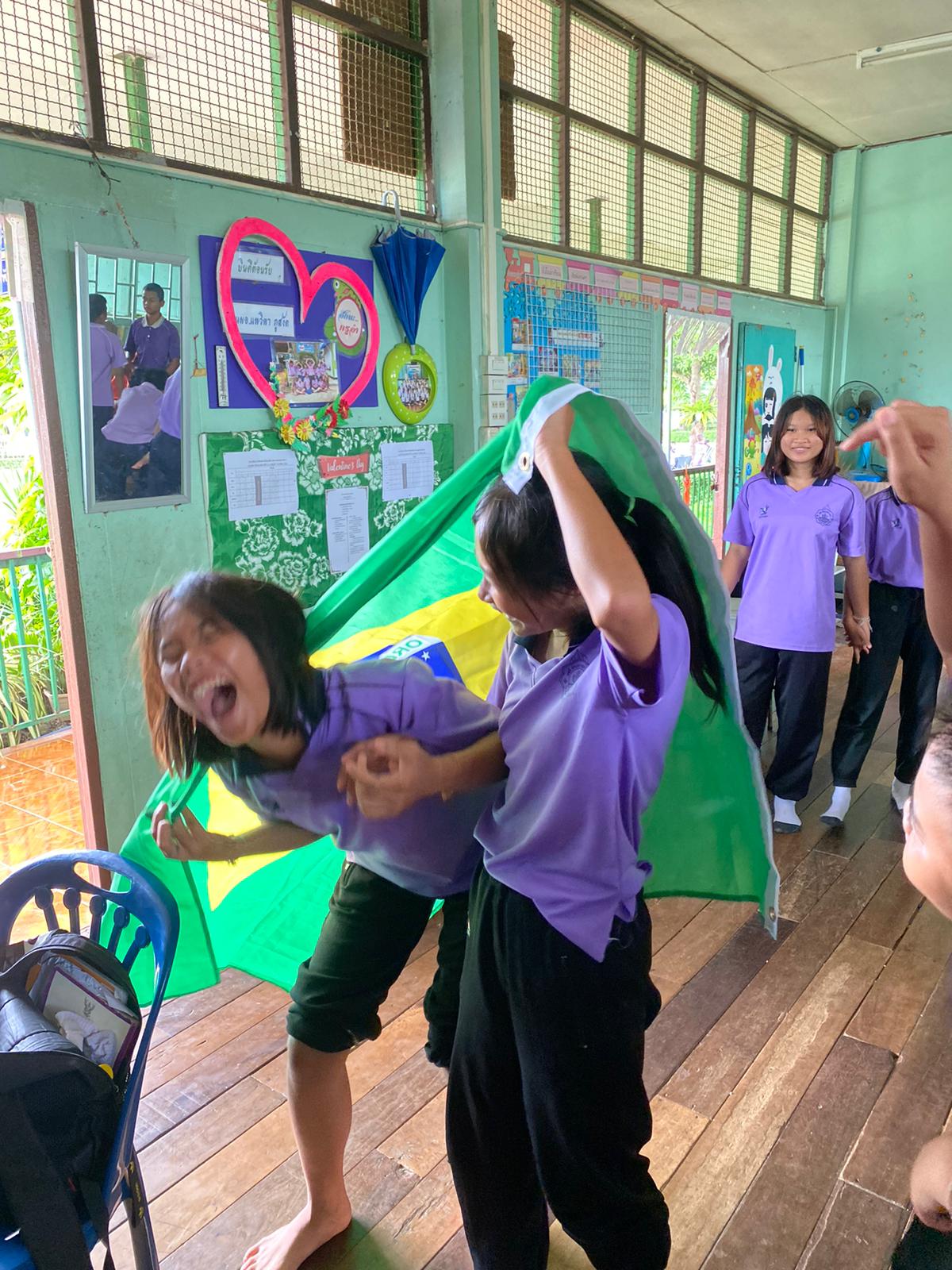
From there, we journeyed south to my mother’s home country of Brazil where we learned about the wonders of the Amazon Rainforest and the thrills of Brazilian Carnaval, and I even brought out my flag for the kids. They got so hyped every time I brought it out, and that made me feel really good.
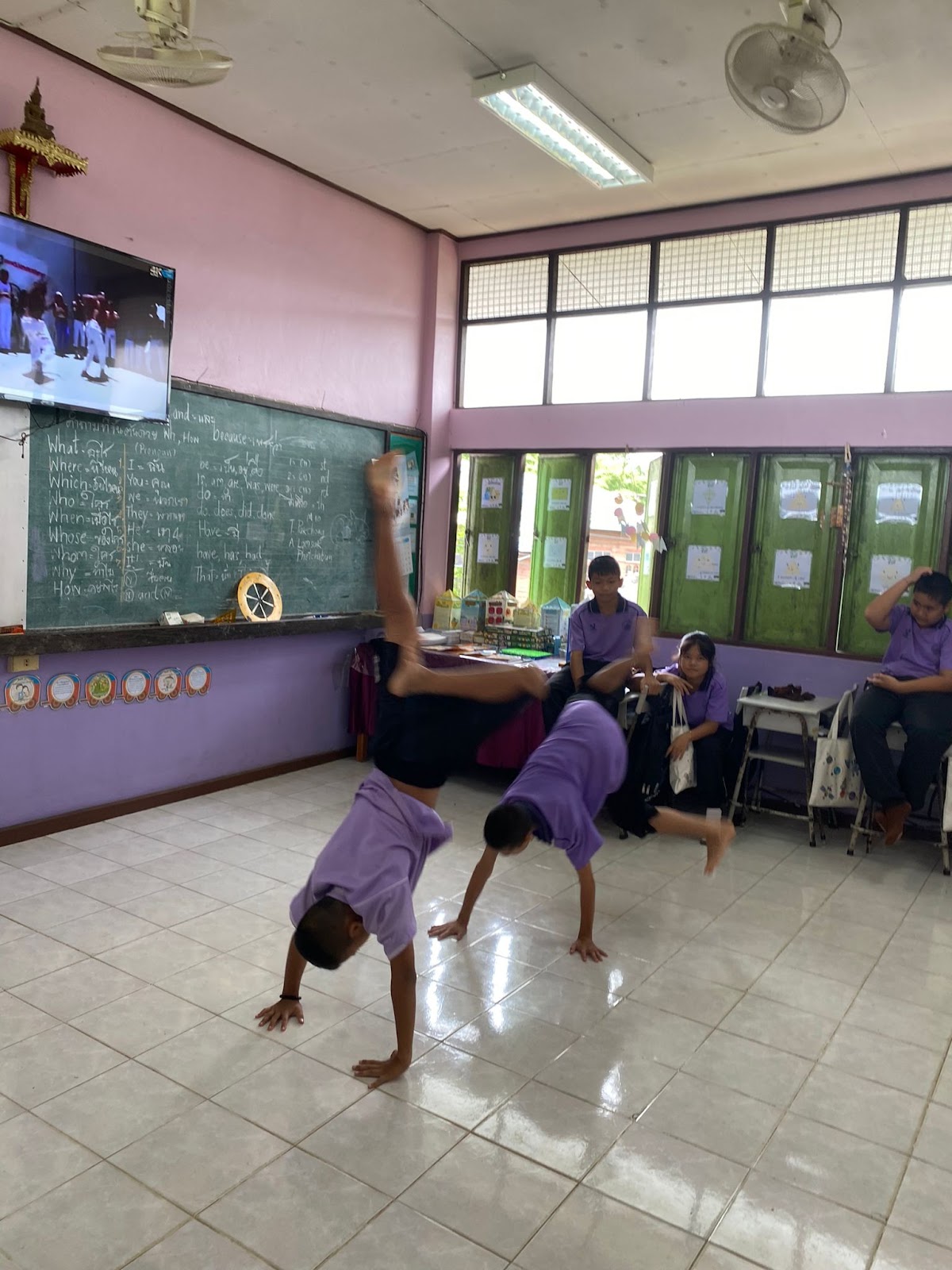
As a final fun surprise, I taught my students about the beloved Brazilian tradition of Capoeira! Capoeira is a mixed martial arts dance deriving from the traditions of Afro-Brazilian slaves that were brought to the continent by Portuguese colonizers. The history of Capoeira is beautiful, storied, and tragic; you can read more about it here. Nowadays, Capoeira is practiced all around the world and evokes a deep cultural pride among Brazilians. My students absolutely loved learning this dance, mostly because I think it gave them a chance to practice their cartwheels and flying kicks without actually knocking each other out.

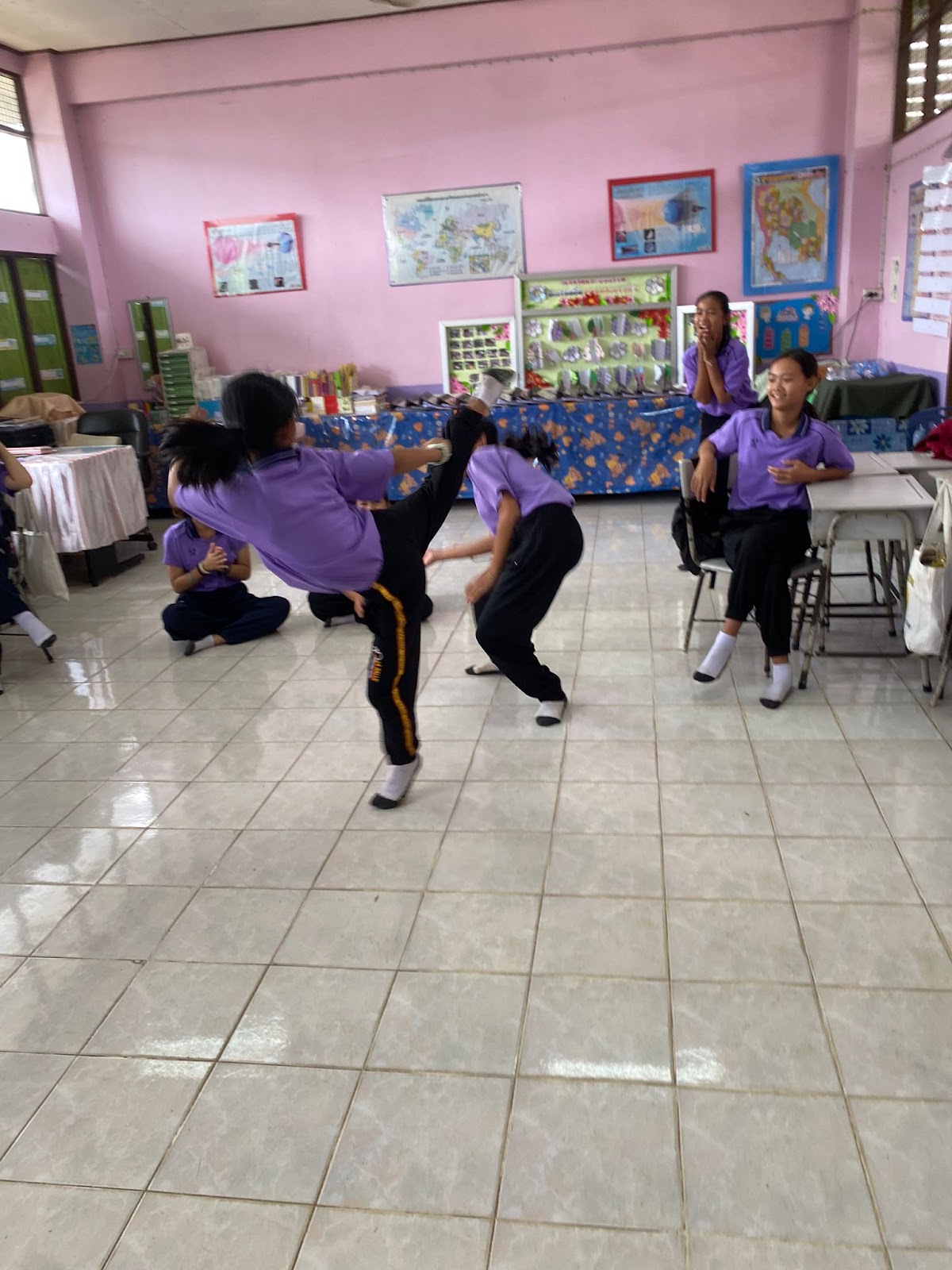

I loved teaching my students about Latino American culture; it was easily one of the best activities I’ve done with them so far and it reminded me of how proud I am to be a Latino volunteer in Thailand. But when that school bell rings, the classroom doors shut, and I head back home, the reality of everything I’ve said so far still seems to ring true. I live in a place that’s far removed from the culture I grew up in. Or so I thought.
I stopped by a small convenience store on my way home to stock up on kanoms (snacks), and as I meandered through the aisles, I saw something in the middle of the clear-windowed bevvy fridge that brought a big smile to my face: Milo. Milo is a popular chocolate malt drink made by Nestlé that can be consumed hot or iced, and it’s everywhere in Thailand. Funnily enough, it’s also everywhere in Colombia and has a small but significant niche in Colombian youth culture. I don’t exactly remember the history, but Nestlé has been producing Milo in Colombia since the 1940s, and at some point the Colombian government enacted a program that provided rural Colombian schools with free Milo to give to their students every day. The chocolatey drink is cheap and high in protein, and for some students in rural Colombia, Milo would be the only source of protein they would get that day – thus, a national appreciation for Milo was born.
Whenever I see Milo, I immediately think of Colombia and my family. When we were kids, we used to eat Milo chocolate bars whenever we’d go visit relatives. I even found a Milo coffee mug while thrift shopping in Thailand and it’s been my daily driver for all things caffeinated. In a funny way, Milo’s popularity in Thailand helps me feel closer to my Latino roots. For all the differences between Thai culture and my own, it’s those little things, things like Milo and hearing my kids scream Messi’s name when they score a goal, that makes me think maybe I’m not as far away from that world as I thought.



 Sticky Rice
Leave a reply to A Letter FOR the Editor – Sticky Rice Cancel reply