
Where Are They Now? is a series interviewing Returned Peace Corps Volunteers (RPCVs) from Thailand, where Holly Lingenfelter aims to cultivate understanding, excitement, and create connections across time. If you are a Thailand RPCV or know one who would be interested in being interviewed, please contact us at pctm.stickyrice@gmail.com.
Holly Lingenfelter, 136 YinD
Where Are They Now?
The Peace Corps in Thailand has been around since the very beginning, having hosted its first volunteers in 1962, just one year after the Peace Corps was established. Since then, over 5,300 American volunteers have served here in The Land of Smiles.
But was Thailand even known as The Land of Smiles back then? What programs did PC Thailand have throughout the years? Where are those volunteers now? What was life like for them in service? What was their life like after service? What work and careers did they go on to do?
These are some of the questions that have been rattling around in my brain, so what better way to learn than to ask the (returned) volunteers themselves?! Which brings us to our new series, “Where Are They Now?”
I hope this series opens our eyes to all of the opportunities available after our service, gives us something to look forward to, brings excitement for our future, and teaches us about all those who came before.
Meet Nemhoilhing Kipgen of Group 129

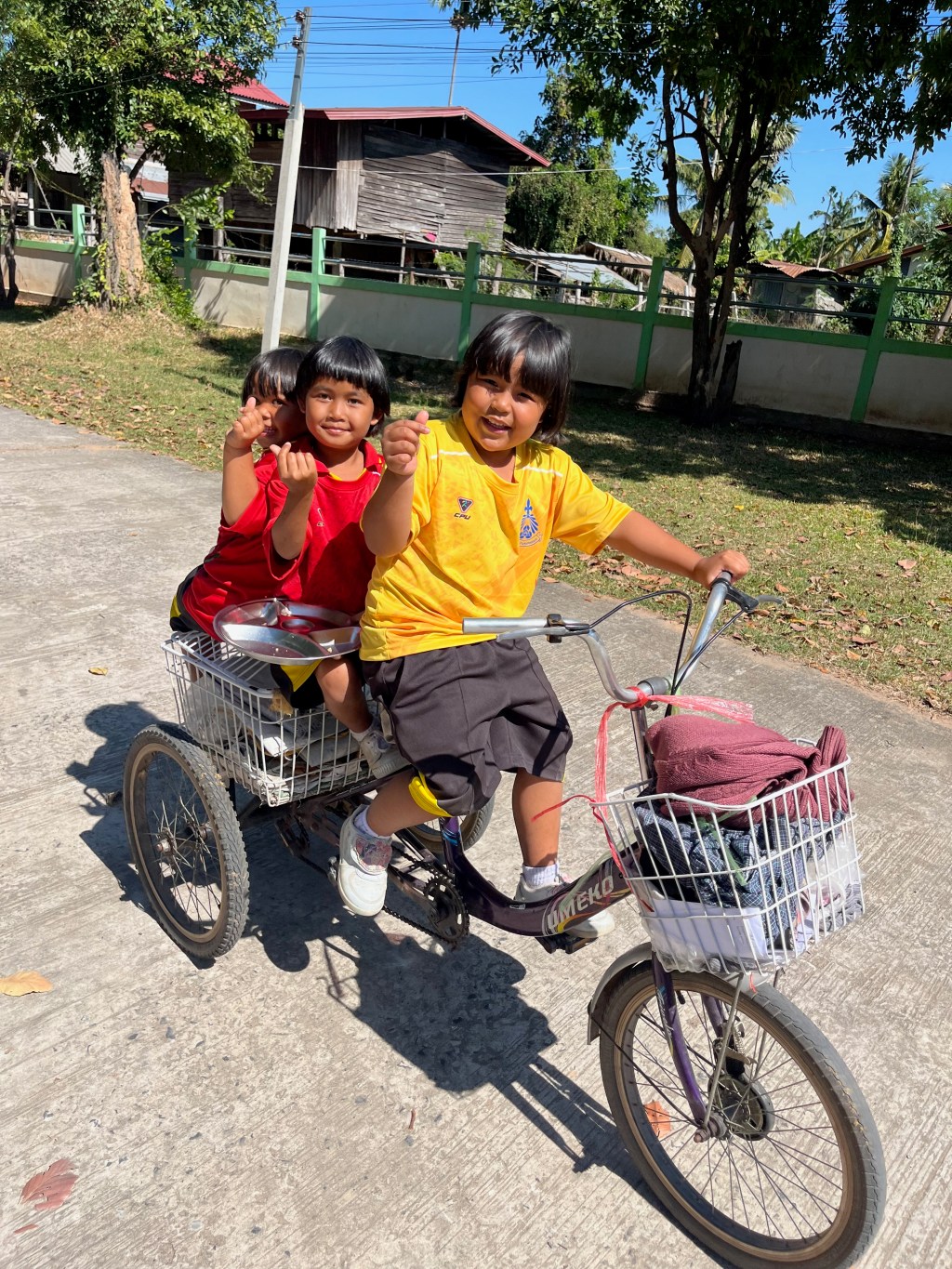
Hoi Kipgen served as a Youth in Development volunteer from 2017 to 2018, in the province of Nakhon Phanom in the northeastern region of Thailand. She had many Thai nicknames, including “Naam” (water) and “Hinghoi” (firefly).
What inspired you to join the Peace Corps in the first place?
“Before joining the Peace Corps, I served with AmeriCorps, where I worked closely with youth in inner city schools in Tulsa, Oklahoma. That experience left a deep impression on me, and I wanted to continue giving back through public service. The Peace Corps felt like the natural next step.”
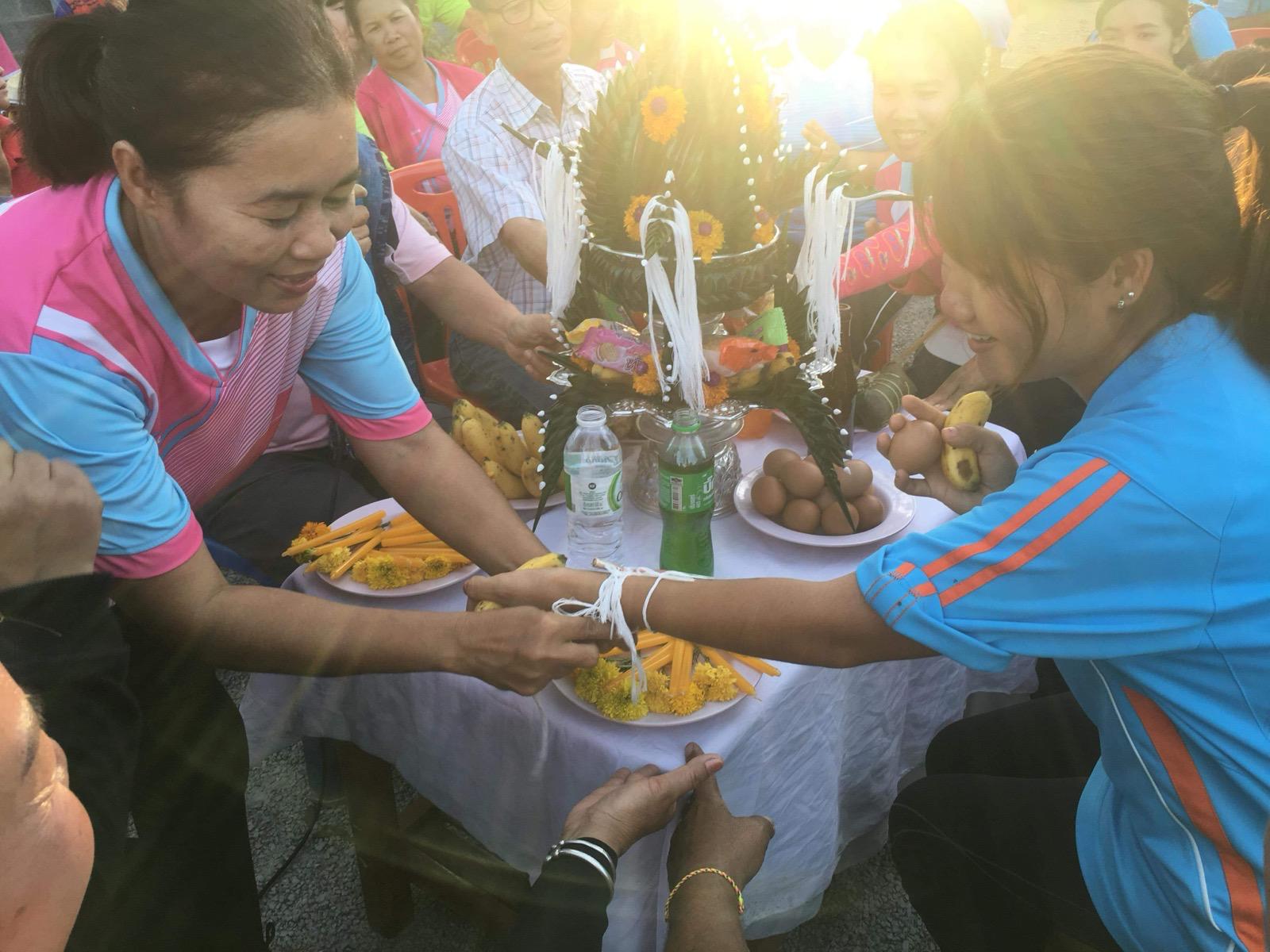
What was one of the most impactful or memorable experiences from your service?
“One of the most impactful experiences was organizing two youth life skills camps, one with my primary school partners in the community, and another led entirely by my village’s youth leadership group. Watching those young leaders step up to facilitate sessions, plan activities, and support their peers was incredibly moving.”
“Some of my most cherished memories also come from time spent with fellow PCVs who became lifelong friends. Whether we were planning regional projects, sharing stories and recipes, swapping books, or taking trips together, those moments added depth and joy to my Peace Corps experience.”
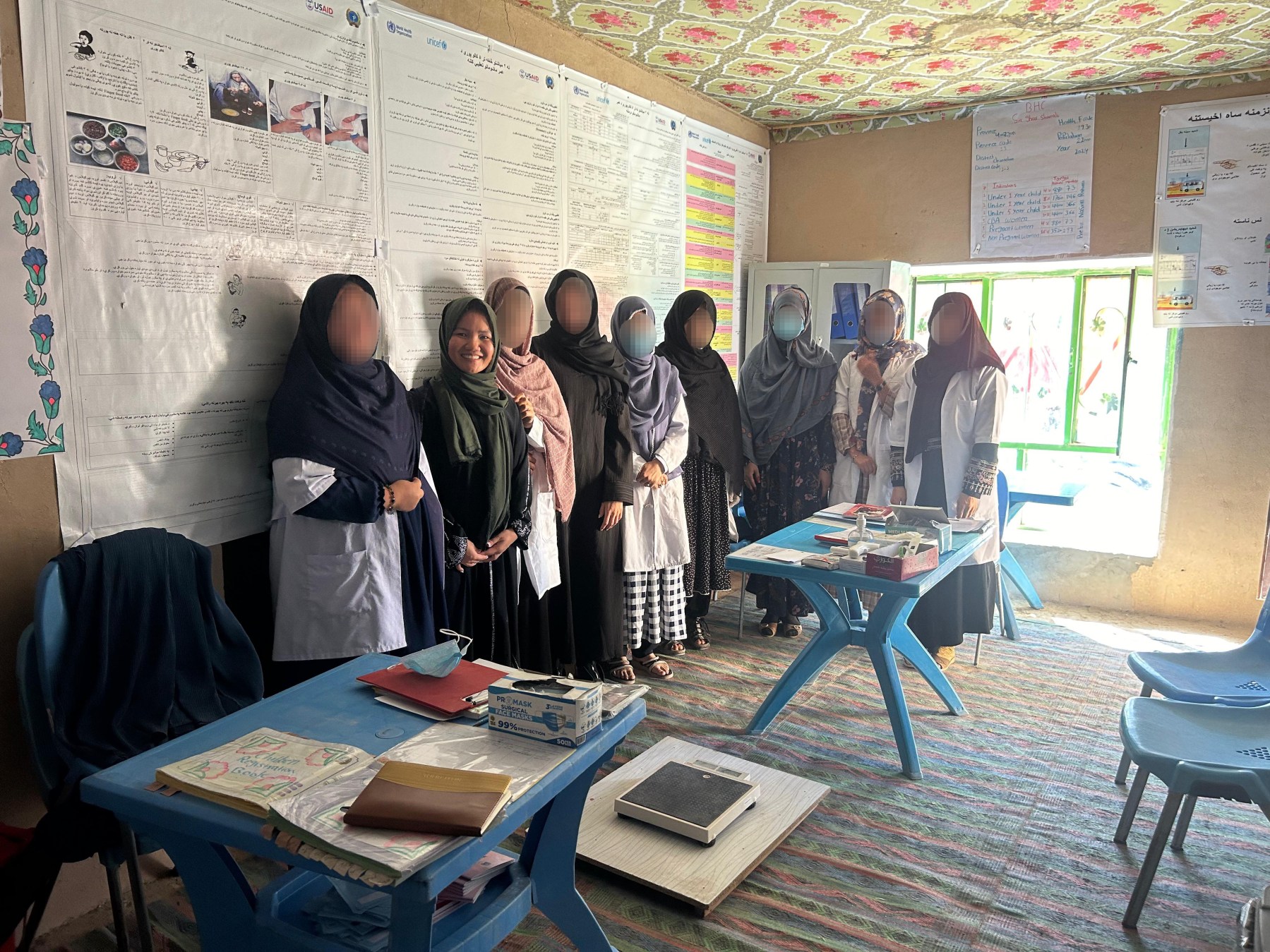
What was your transition like after leaving Thailand and the Peace Corps?
“After completing my service, I pursued a Master’s in Development Studies at the Geneva Graduate Institute in Switzerland. My Peace Corps experience deeply shaped my academic and professional trajectory. It confirmed my commitment to international development and gave me the confidence to continue working in global humanitarian contexts.”
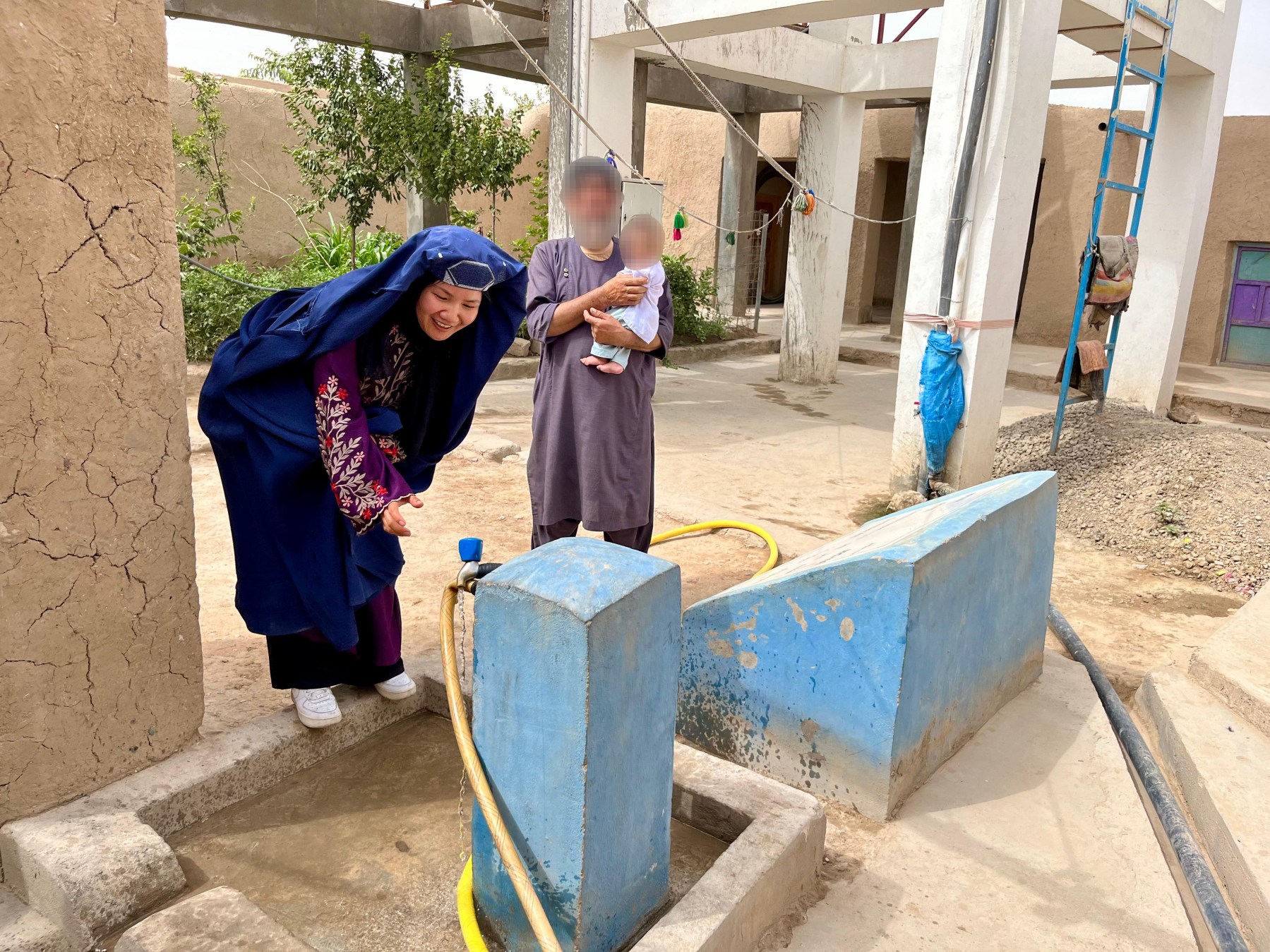
Where are you now? Geographically, professionally, and personally?
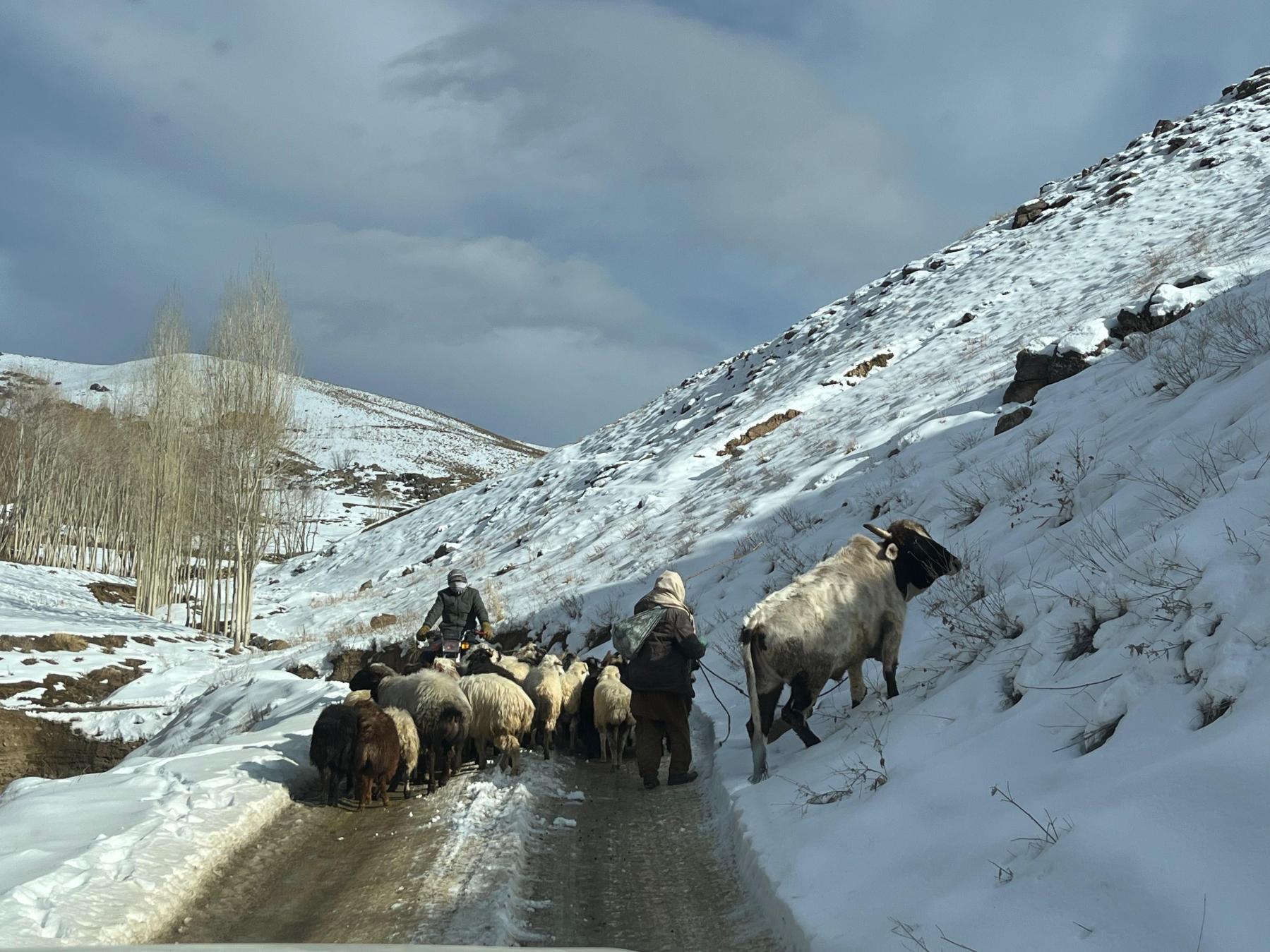
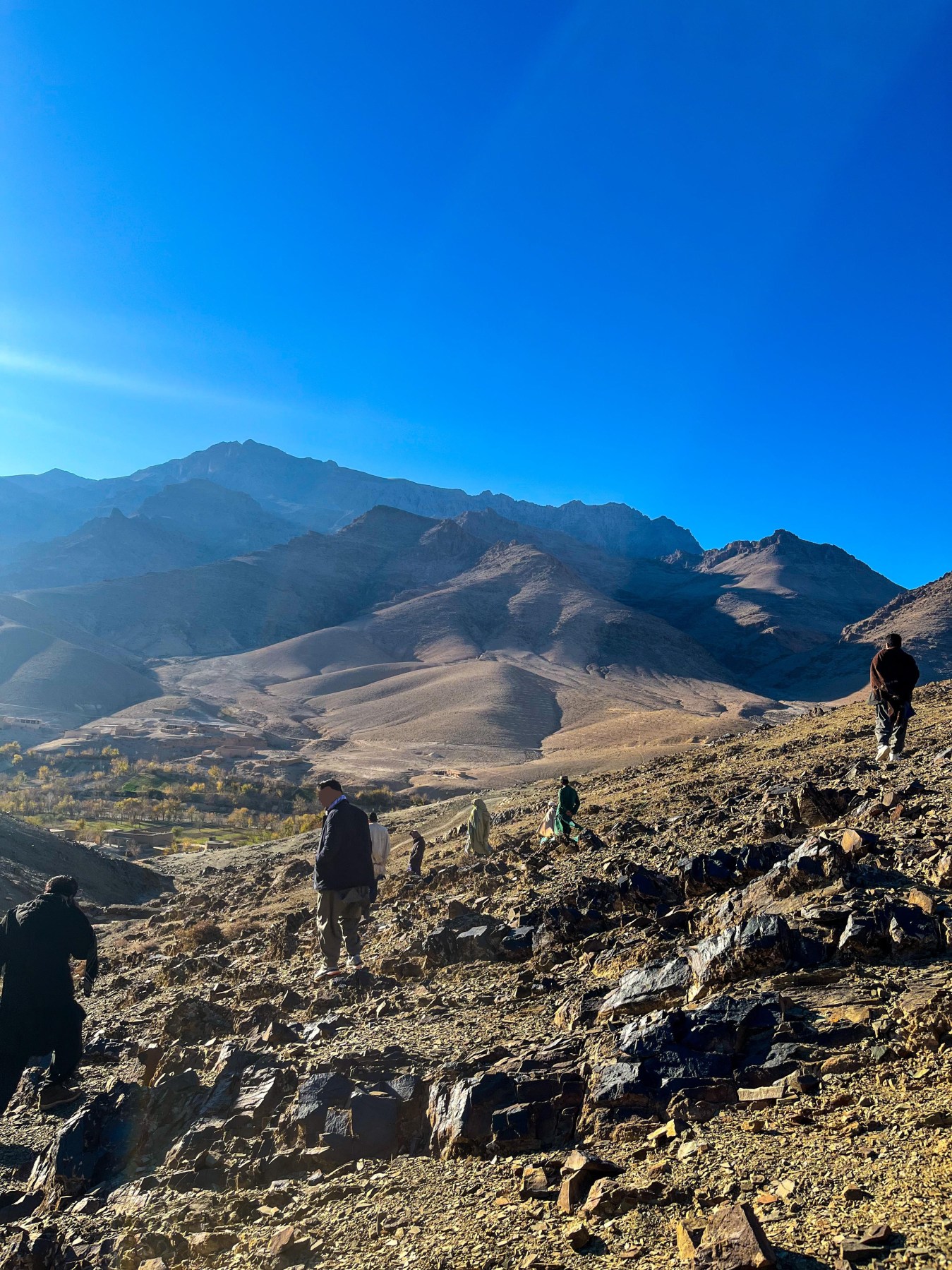
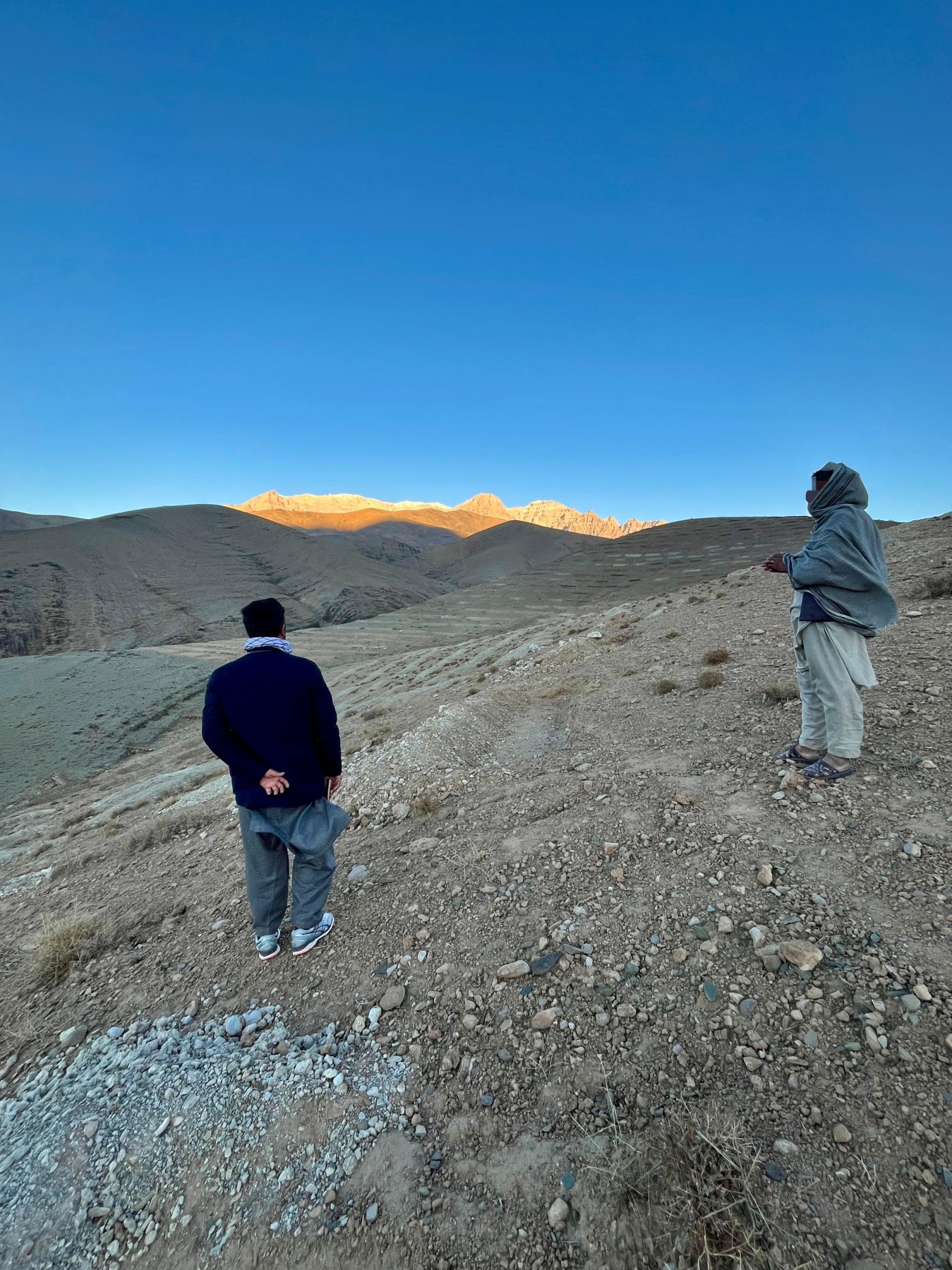
“I’m currently based in Kabul, Afghanistan, working as a Programme Funding Manager for a Swiss humanitarian organization. Personally, I’m grounded in my purpose and driven by a desire to serve communities affected by protracted crisis.”
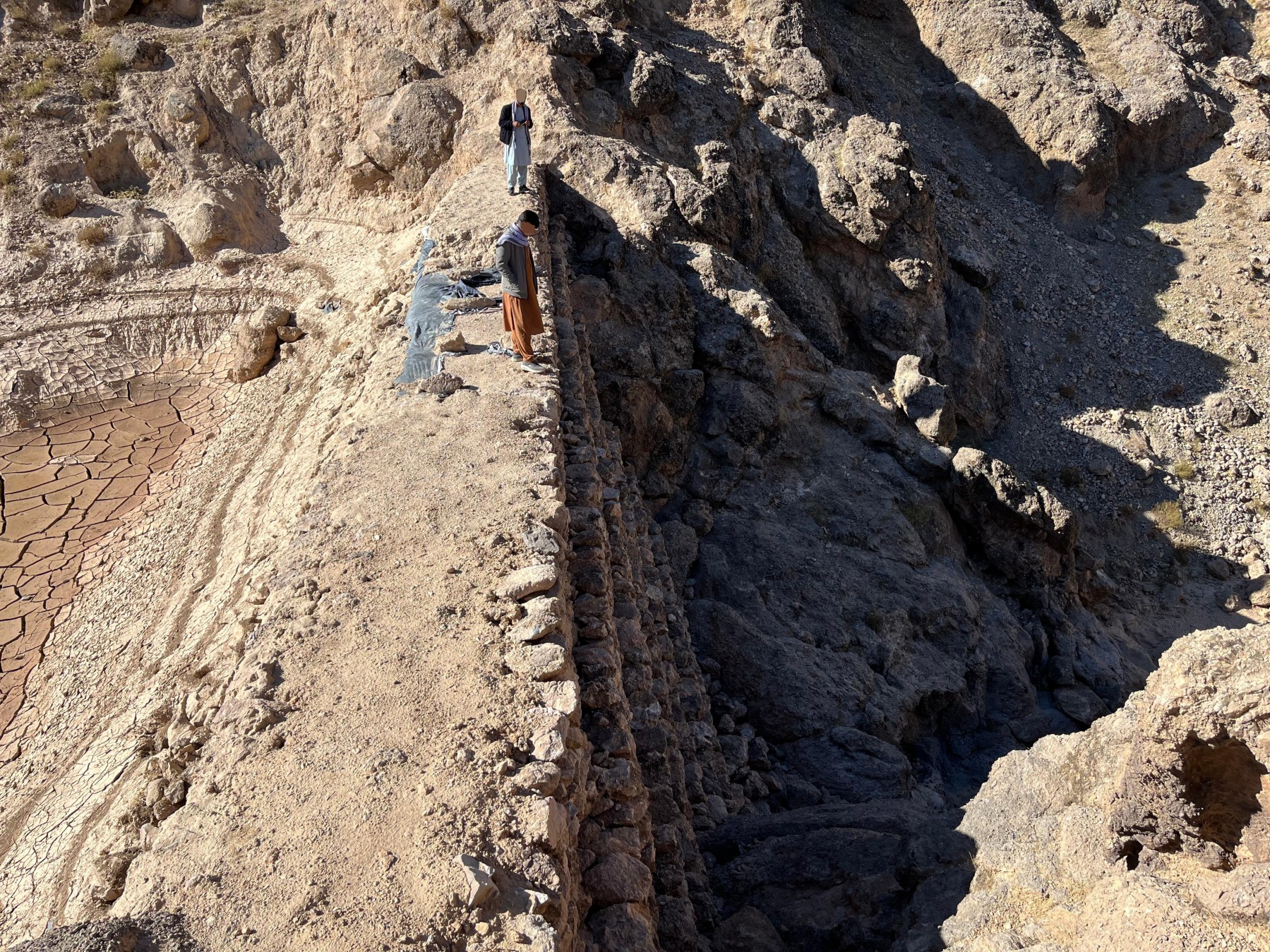
What kind of work have you done since completing your service?
“During my master’s studies, I interned at the Network for International Policies and Cooperation in Education and Training (NORRAG), where I explored the intersection of education policy and global development. I later worked at the International Committee of the Red Cross (ICRC) before taking on my current role in Afghanistan. Across all of these experiences, my Peace Corps service has remained a foundational pillar, shaping how I approach partnerships, resilience, and community-based work.”

Are there any habits or ways of thinking from Thai culture that have stuck with you?
“Absolutely! Jai yen yen (ใจเย็นเย็น), which loosely translates to “keep a cool heart,” has stayed with me. It’s a mindset I try to carry every day, especially in the high-pressure world of humanitarian work. In an environment filled with urgency and crisis, it’s a powerful reminder to slow down, stay grounded, and take care of oneself while continuing to care for others.”
Although she has not yet been back to visit Thailand since completing her service, she has made lifelong friends, from people in her community to her fellow volunteers in her cohort.
Do you keep in touch with people from your host community in Thailand?
“Yes! I’m still in touch with many members of my host community, especially on Facebook. Just last week, one of my many adopted mae gave me a call asking where I was and when I’d be visiting again. Moments like that take me right back to my service days and remind me that those relationships are lifelong.”

What’s one thing about the Peace Corps or post-service life that people don’t talk about enough?
“One thing that’s rarely discussed is how isolating post-service life can sometimes feel. Friends and family back home may never fully understand the complexities of daily life during service, and it can feel like the world has moved on while you were away. That’s why staying connected to the Returned Peace Corps Volunteer (RPCV) community is so important. Just the other day, I met an RPCV who served in Gabon, and our conversation was incredibly grounding. There’s an unspoken understanding that exists between RPCVs, no matter where or when you served.”


 Sticky Rice