
Who runs the world? Girls! Globally recognized as International Women’s Day, March 8th is an important day to honor strong women throughout history, and our lives. This month, Peace Corps Thailand volunteers are highlighting women in their lives with a tremendous impact.
Kayla Kawalec, 134 PCVL
When I opened up my packet on the long-awaited day of site announcements during pre-service training, one of the first things I read about my permanent site excited me. It was a note that said, “[this site] would like a female volunteer so that she can work with the female Bhalat closely.” I soon learned that not only are both the Nayok (elected mayor) and Bhalat (Chief Municipal Officer, a civil servant) at my Tessaban (local municipality office) both women, but the majority of civil servants working there are women¹ too. How cool, I thought, to be working in such a “girl power” environment.
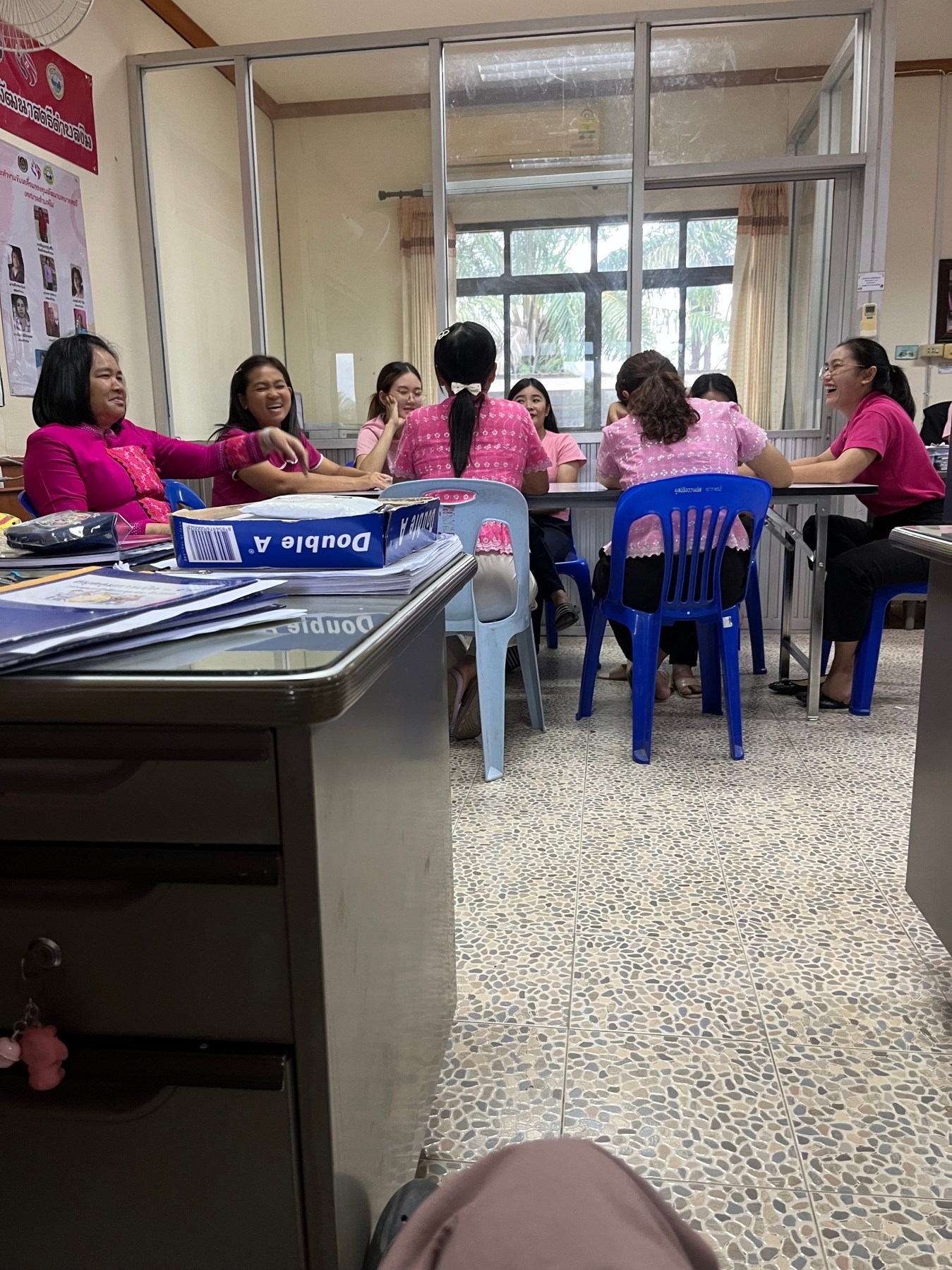
At my first ever “big girl job” back in America, my team was made up mostly of women as well, including my boss who has since become one of my most influential role models. She has high expectations for her employees, doesn’t suffer foolish questions (or people), is known for her bracing straightforwardness and for producing results. Most importantly, she does all of this with true compassion for her employees. I expected her “western” workplace characteristics (direct communication, individual accountability, high expectations) to be in opposition to the ones we were told we might expect in the Thai, “eastern” workplace (indirect communication, collective decision-making, and a more relaxed work environment). However, I was surprised that my new Thai boss resembled my former American boss in more ways than I expected. It didn’t take long to realize that my Thai boss runs things in my town – and not everyone loves the way she runs them.
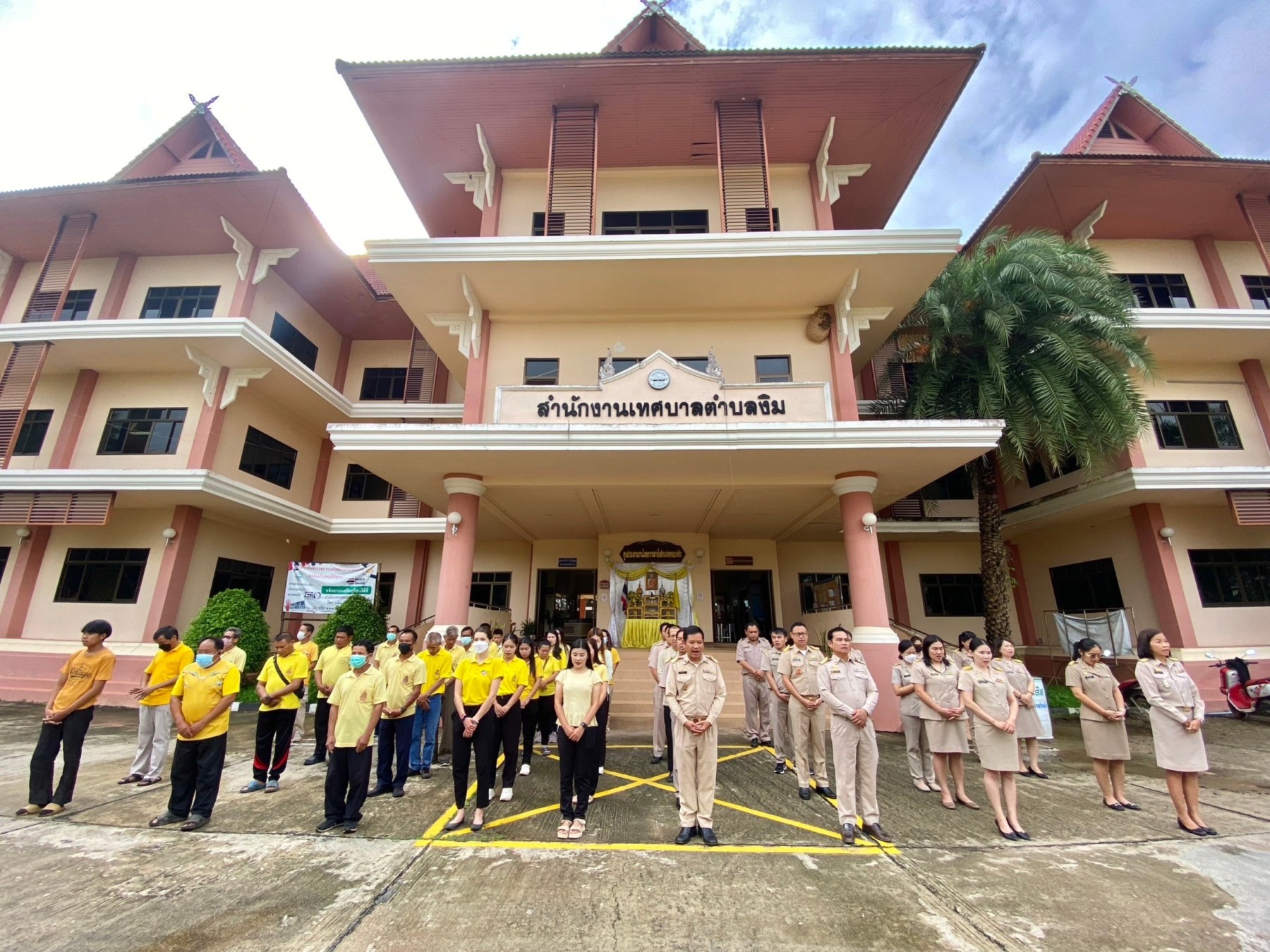
I hear from some volunteers that their local government offices in Thailand are riddled with sloth and apathy. They describe coworkers playing on phones, eating, chatting, sleeping, or any number of tasks that don’t include visible “work”. Occasionally there will be a big event and everyone will kick into high gear before returning to the sabai lifestyle Thailand is known for. Not the case at my Tessaban. The work is relentless. My coworkers are constantly being chafed by high expectations and heavy work demands. Similar to my American boss, my Thai boss has the personality of a high-achiever, which can come off as intense, assertive, and tough. These are traits typically associated with male leaders, and can lead to a “likability dilemma”² where female leaders are not judged by their competency, but rather their likability.
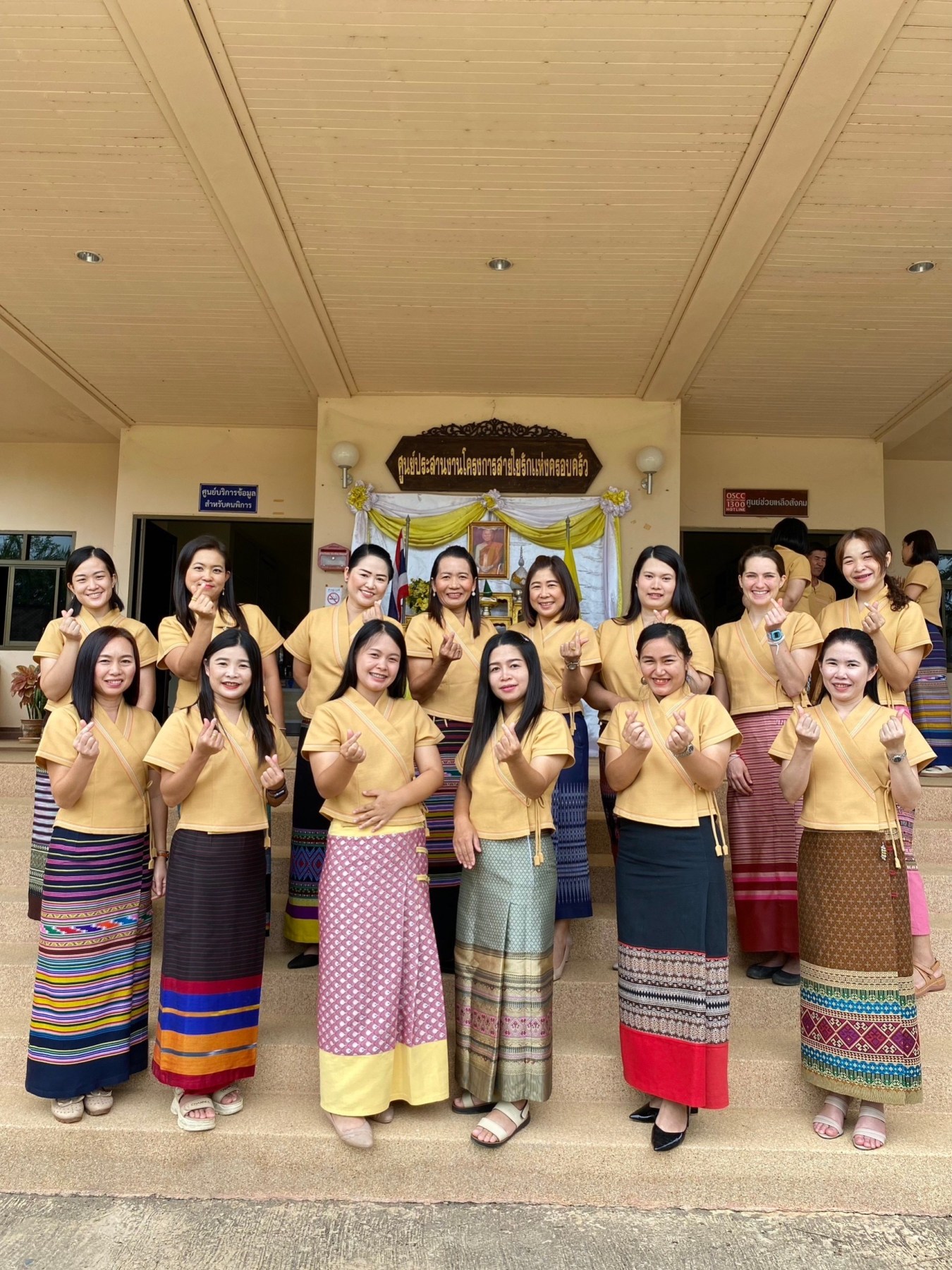
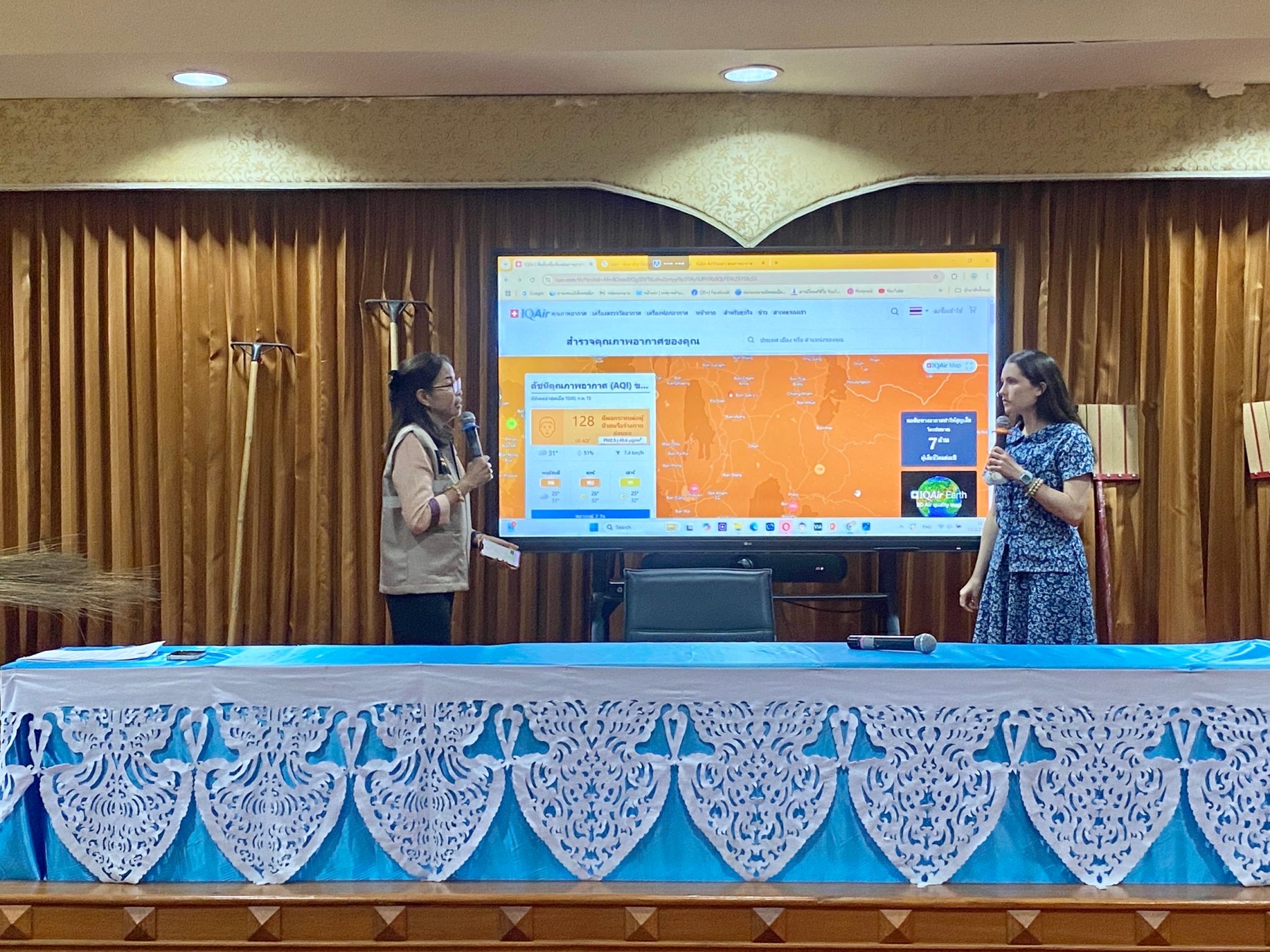
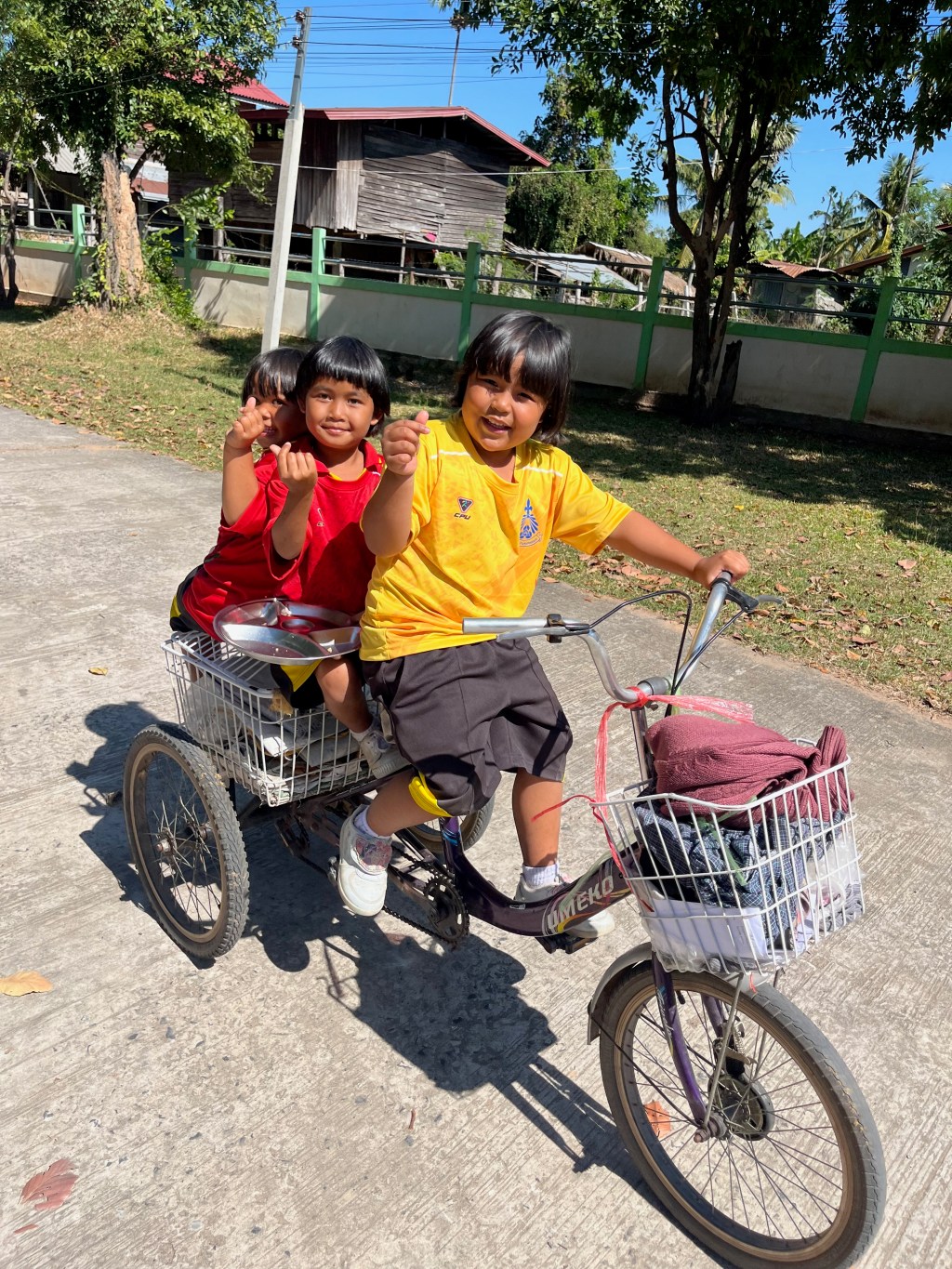
It didn’t take long before I found myself reeling from my Thai boss’s high expectations too. She decided that I would go to every school in my community (7 schools, ranging from kindergarten up to 12th grade) every week for “just the first month to see how it goes,” she said. I was also expected to attend community events that occurred with shocking regularity. She “suggested” (strongly) that I learn a Northern Thai song to sing for the compulsory karaoke that accompanies said events. All of this required me to bike around town in the middle of the scorching Thai summer while still grasping at the unfamiliar dialect that I was getting corrected on (frequently) by, who other than, my Thai boss.
I resented her, of course, for the pressure she put on me, for the stress she put my coworkers under, and for what I thought of as her unrealistic expectations for all of us. Then, I thought back to my American boss, her expectations for me were high too. I must have found them to be unrealistic at the beginning, but it was easier to understand her motivations, to see the compassion that underlay the push. We were operating from the same context, the same language, the same culture. I was struggling to connect to my Thai boss in the same way.
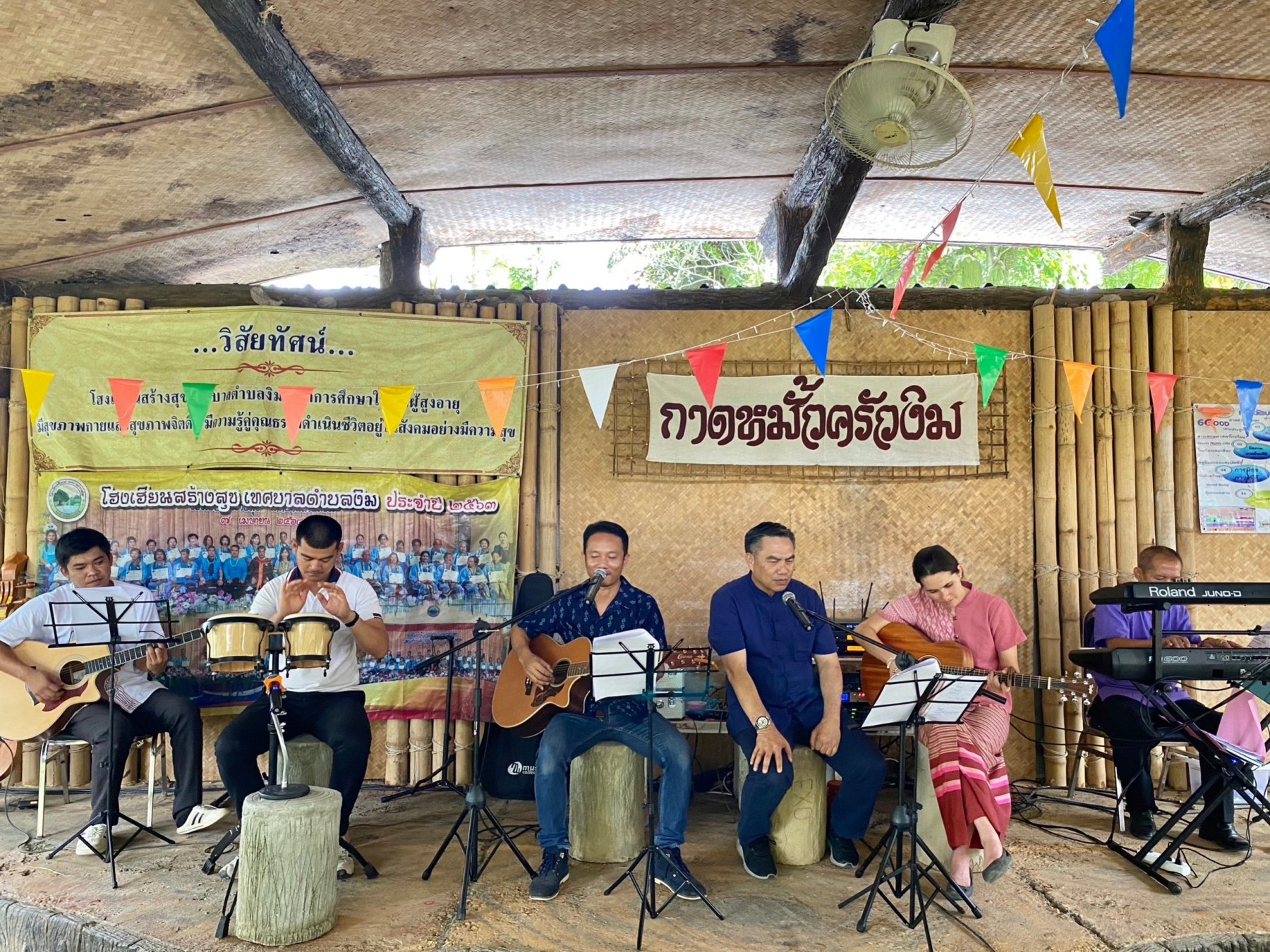
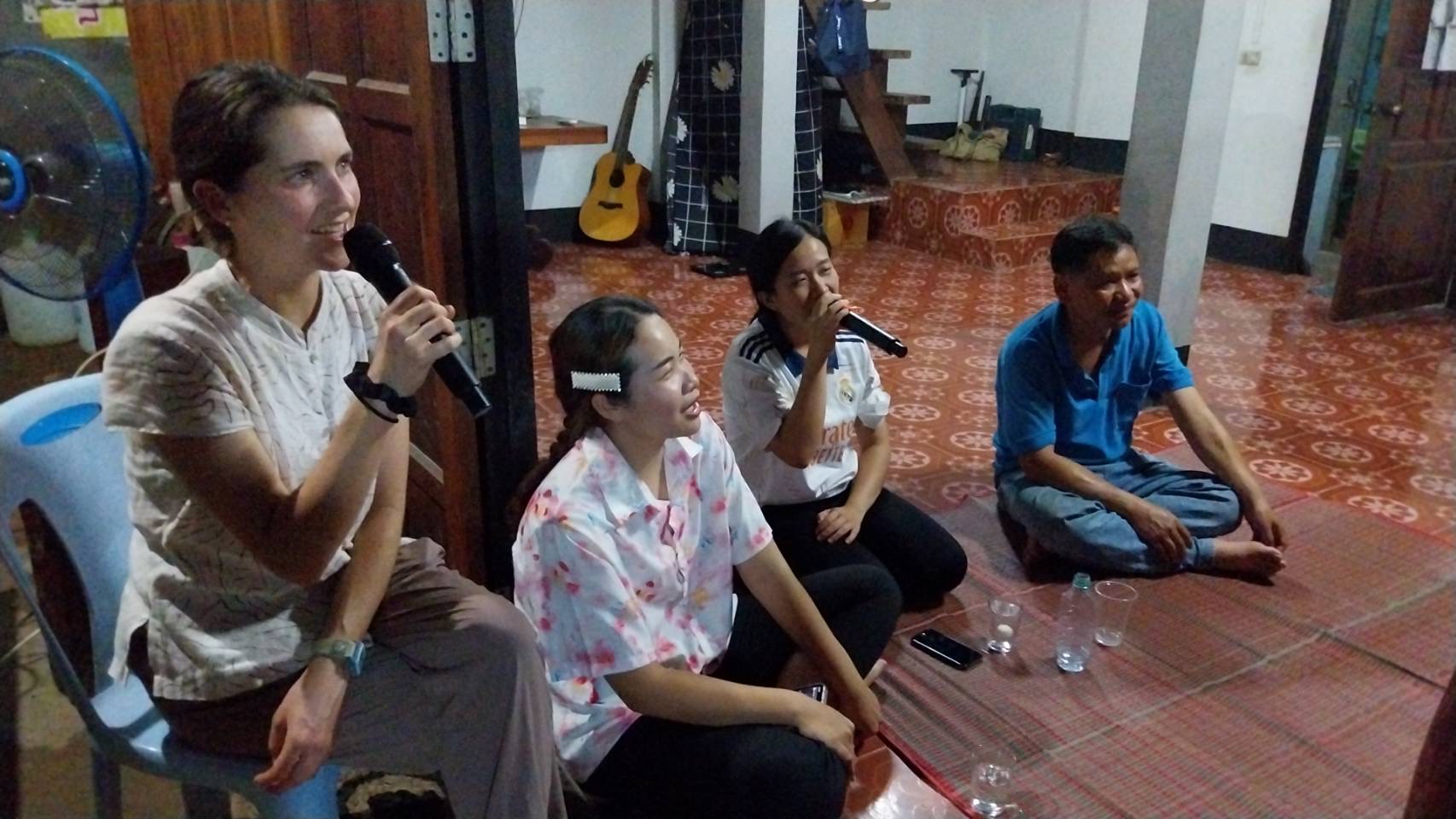
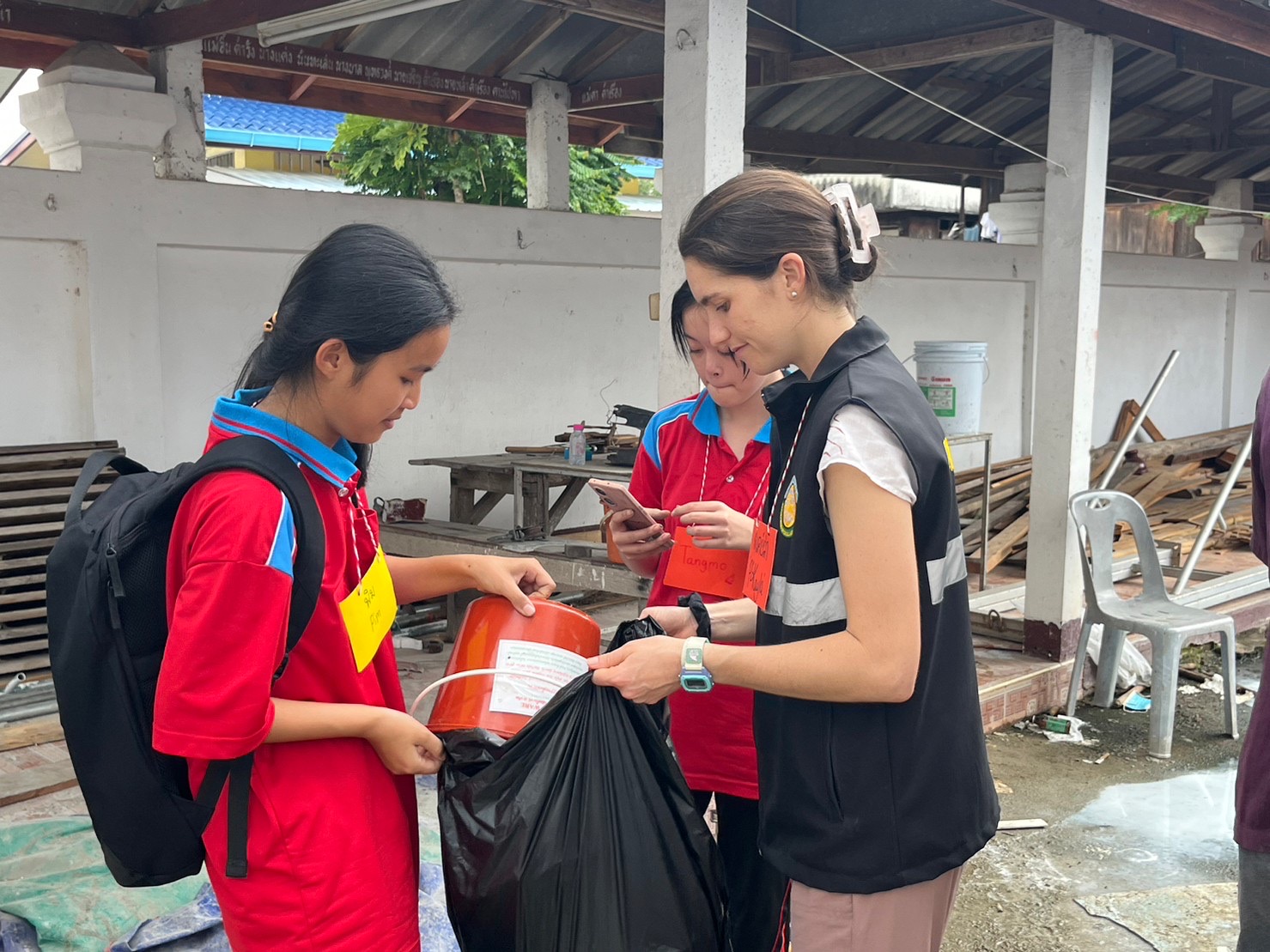
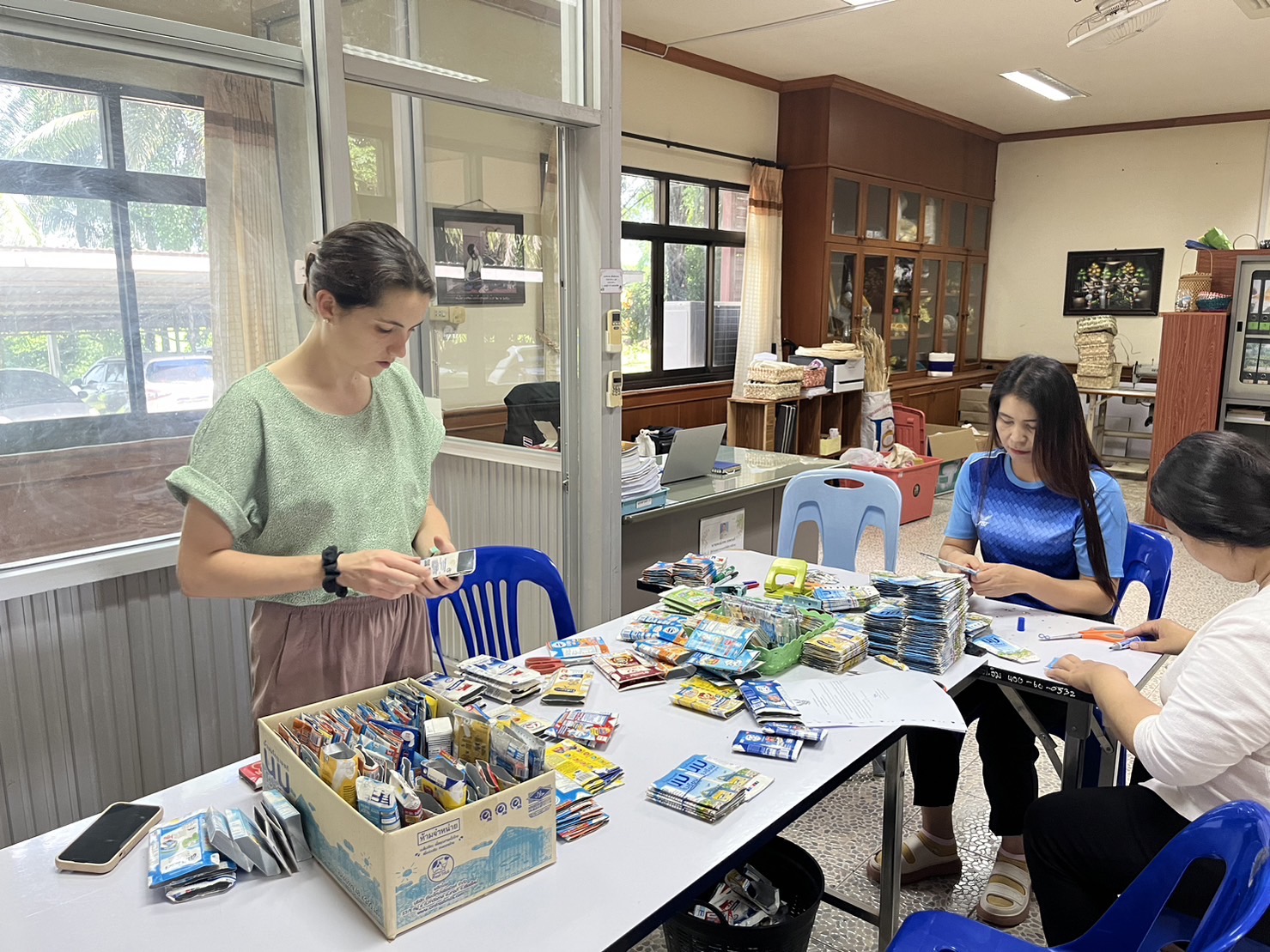
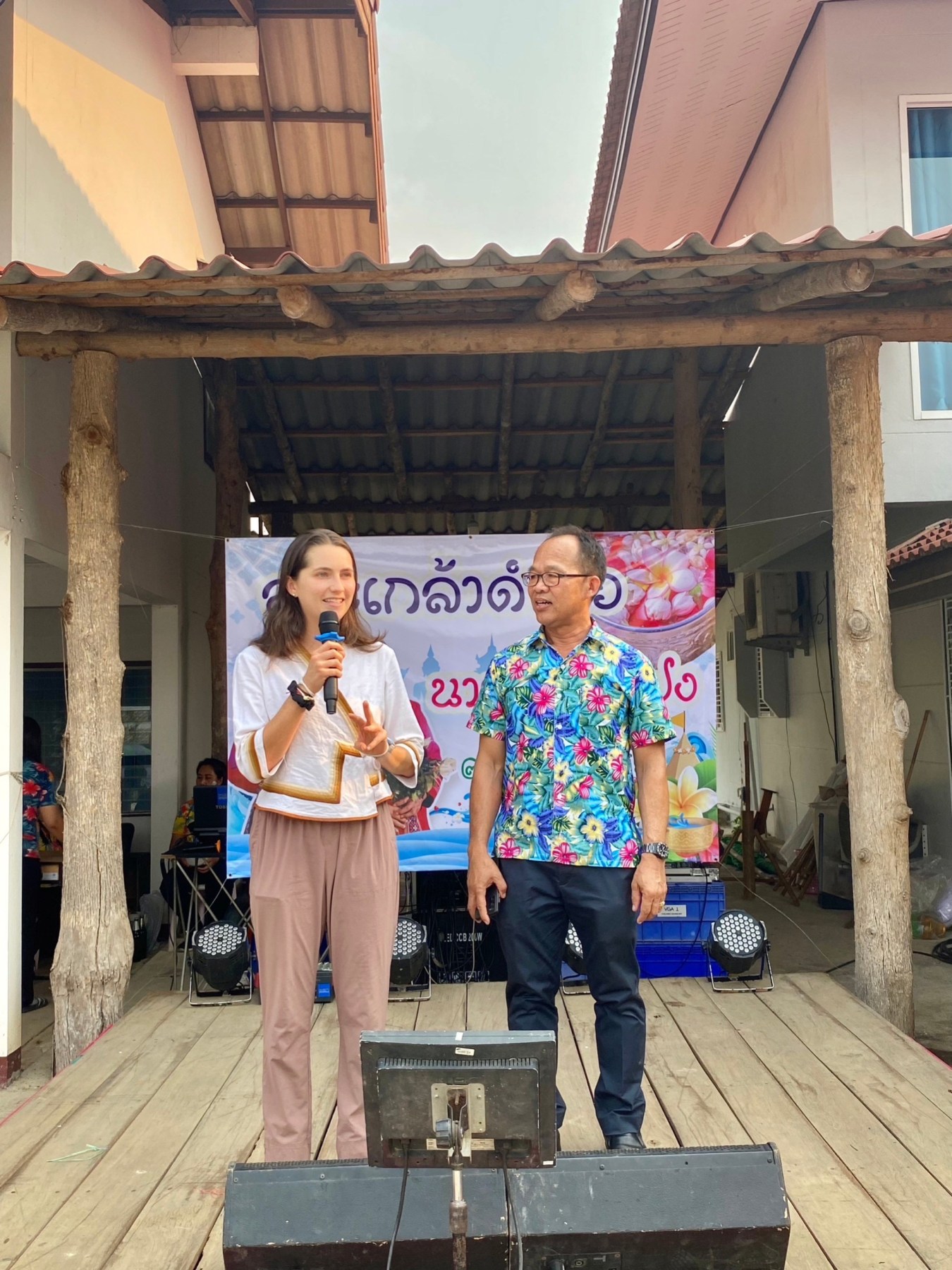

My breakthrough came by taking the female “likability problem” and using it to my advantage. I played by the Thai rules and trusted in relationship building. I went to the schools, I learned the dialect, I sang the song (many, many times), and it paid off. I gained my Thai boss’s respect. In America, I did the same thing but in a different cultural context. I proved myself to be a competent and reliable team member by showing up early, taking initiative, and doing all of the jobs (from insignificant to dull to hair-pullingly annoying). With both bosses, once we’d established a relationship, it was easier to work closely. I was trusted to run programs, give feedback, and was invited onto bigger and bigger stages.
This is the beauty of the female boss to me. Relationship building is essential in creating trust, and trust is essential in creating a good work environment, no matter what cultural context you’re in. Women (and especially Thai women) know this innately and are good at it. I’m grateful for these two very different (and very similar) bosses. These women who challenged me, frustrated me, trusted me, and led me. I hope to lead like them one day.


- An important caveat to this is that while the majority of the civil servants at my Tessaban are women, the majority of people in management or director-level positions are still men. This tracks with global statistics that women hold just 28.2 percent of management positions in the workplace (UN Women, 2023).
- The “likability dilemma” or “likability trap”, as it’s referred to in several studies and popular literature, is a double-standard placed on women in leadership roles. It requires women to exhibit traditional leadership traits such as assertiveness, decisiveness, directness, and competency, but ultimately judges them on their likability alone. In her book on female leadership, CNBC news correspondent, Julia Boorstin, references a study comparing reactions to profiles of female and male CEOs. She says, “people’s reception to a female CEO had nothing to do with how authoritative she seemed; the reaction to her message hinged entirely on her likability. For a man, on the other hand, authoritativeness in his messaging was more important than his likability.”



 Sticky Rice