

Editors Note: The views expressed here are of a Sticky Rice staff writer and do not necessarily reflect the views of the U.S. Government, the Peace Corps, or the Thai Government.
K.D. Norris, 135 TESS
As I begin this article it is raining hard in the Pa Tai, The South of Thailand — monsoon season hard rain. But it is almost March and monsoon season should be long past. It is very unusual, the locals tell me, more than once.
Apparently they know there is climate change even if the United States Department of State leadership, if not its scientists, have changed their mind on the subject. And, I guess, we volunteers are supposed to as well.
Peace Corps Thailand volunteers were told last week that “In alignment with the updated federal priorities, Climate considerations will no longer be included in Peace Corps programming. Peace Corps will focus solely on its primary project framework without climate-related integration.”
That emailed message came with notice that for Peace Corps Thailand’s new volunteers in training, Group 136, “effective immediately, the Climate-Resilient Development coursework and training is no longer required.”
Next came news that the Climate Resources folder will no longer be available on LearningSpace — the place where volunteers get information and resources about what we do and why we do it, including climate resilient activities.
So I did some Google searches for Climate Change information from the United States Department of State — which Peace Corps is functionally under — and the first thing that came up is a statement by newly appointed Secretary of State Marco Rubio. It starts promising:
“The United States must grow its economy and maintain jobs for its citizens while playing a leadership role in global efforts to protect the environment. … (including) reduced air and water pollution, and reduced greenhouse gas emissions.”
But at the end of the statement, American’s position on “global efforts to protect the environment” are made clear:
“We must leverage our strengths and do away with climate policies that weaken America. While we will not ignore threats to our natural environment and will support sensible environmental protections, the State Department will use diplomacy to help President Trump fulfill his promise for a return to American energy dominance.”
I’ll let the Honorable Secretary Rubio’s words speak for themselves, but nowhere in the full statement do the words “climate change” appear.
Further on my Google Search I find other statements from America’s Department of State on the issue of Climate Change.
In a previous statement, by then Secretary of State Antony J. Blinken, in a detailed scientific report from 2023 titled “Climate Adaptation & Resilience Plan 2024-2027”, America’s position — then — on climate change was made clear:
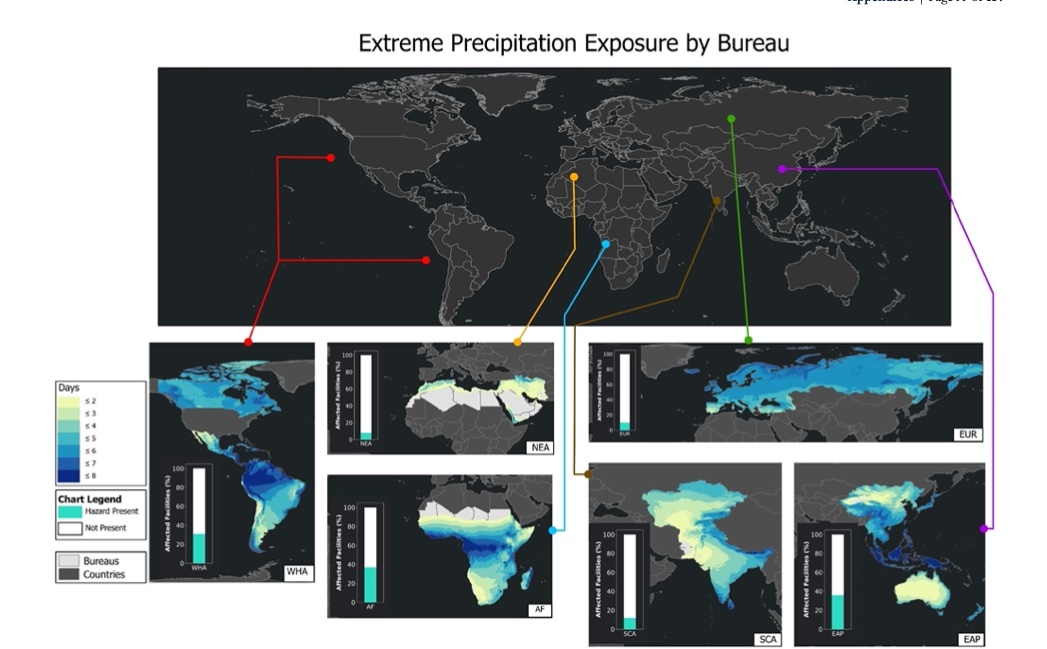
“Climate change presents an existential threat to people and our planet. It imperils our ability to fulfill our organizational mission in profound ways. The Department already sees flooding, wildfires, and extreme weather sever critical communication lines, damage embassies, put the health and safety of our personnel at risk, destabilize societies, and limit aid distribution.”
Again, I’ll let the Honorable Secretary Blinken’s words speak for themselves.
The long list of other entries on my Google search from other reputable sources from America and around the world included another State Department report titled: “2024 Investment Climate Statements: Thailand”.
In the report, Thailand’s view on climate change, and its reasons for the view, is made clear:
“Thailand places high priority on climate change as one of the key challenges affecting communities’ livelihood, economic growth, and sustainable development. The country is among the top 10 countries most vulnerable to climate change and the world’s 20th largest emitter of greenhouse gases. Since 2007, Thailand has incorporated climate change into its national economic and social development plans, including at the highest policy level under the National Strategy (2018-2037) to ensure long-term continuity of the issue alongside other economic and social considerations, including poverty eradication.”
Given Thailand’s view on climate change, and America’s previous views as stated by its Department of State, one would think some level of knowledge of the impact of climate change in Thailand would be valuable if not essential to Peace Corps volunteers serving in the county.
But for the near future, that will not be the case.
So, on topic of Climate Change, what do I tell my Thai friends?


 Sticky Rice
Share your thoughts