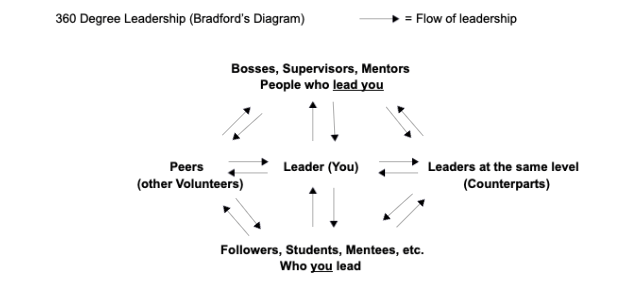
360 Degrees is an ongoing series about Volunteer Leadership written by Group 134 TESS Volunteer, Bradford Reszel. Bradford would love to hear from you about your experiences with leadership throughout this series. You can contact him at bradford.reszel@gmail.com.
Bradford Reszel, 134 TESS
The foundation for any team needs to be one of trust. That same trust is key for leaders at any level. An organizational ecosystem built on trust and shared goals lets leaders emerge at all levels and welcomes leaders to push for more. Leading up, our final piece of the Leadership 360 Degree circle, is the ability for leaders to advance the mission through feedback given to those situated above them in the positional ranks. Put simply, leading up is about leading one’s boss.
A common theme in this series has been the recognition that leaders are not defined by position. Anyone, at any level, can be a leader. Leading up, just like leading down and across, does acknowledge that most organizational structures do use hierarchy to define leaders. Another theme throughout our discussion on leadership is the sometimes daunting nature of it. Leading down to those looking to you for guidance as a superior, leading across to your peers, leading up to your supervisors all present unique challenges. A leader utilizing their skills of 360 Degree Leadership falls back on the trust built and fostered within the team to feel confident leading at any level.
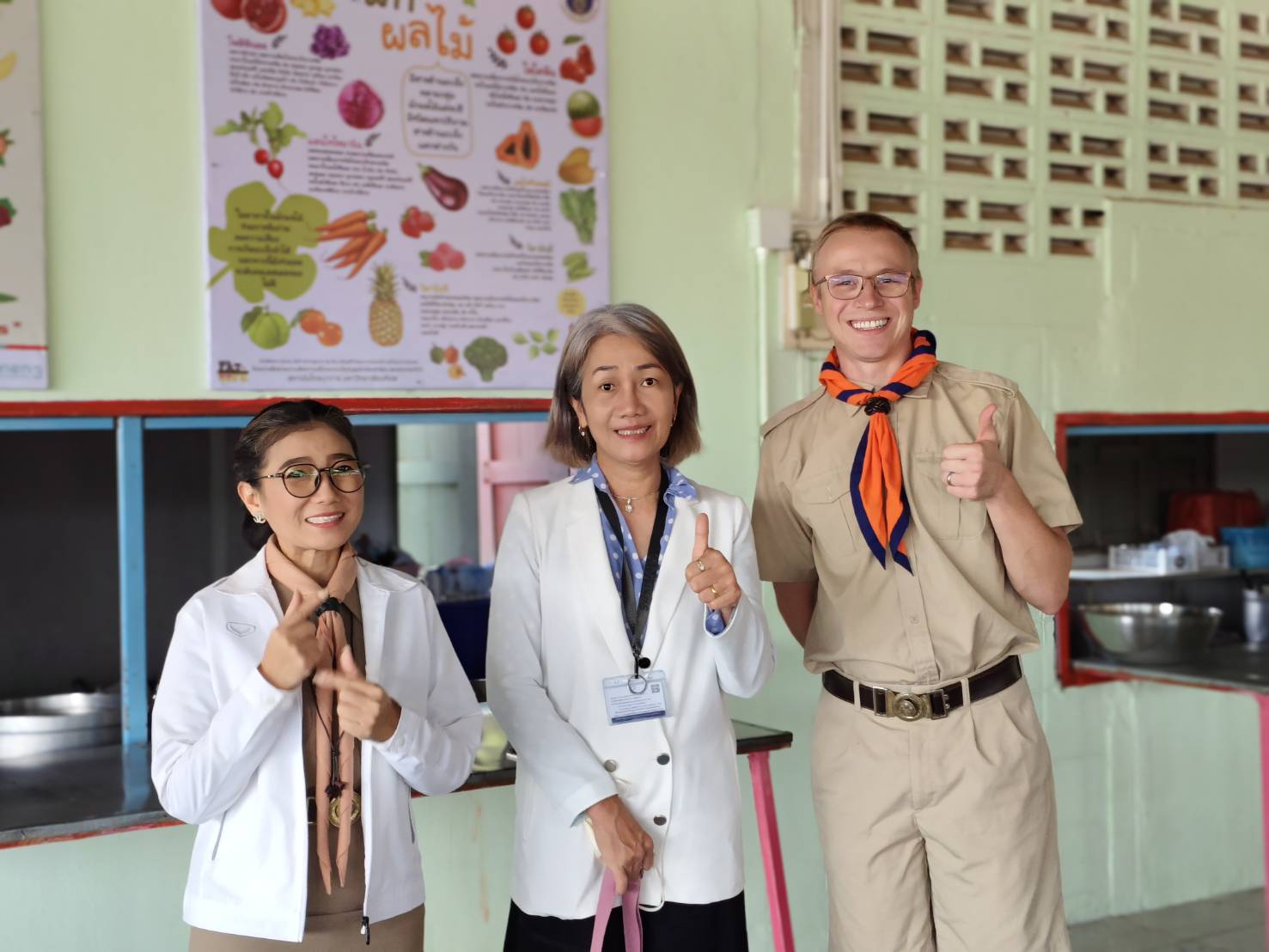
As Peace Corps Volunteers we lead up to multiple positions both at our sites and with staff. At sites, we have school directors, government leaders, community elders, faith leaders, and many others with whom we strategize and share ideas. As the newcomer to the community, and certainly as the outsider, we begin again with building trust. Showing our abilities, working diligently on assignments and priorities laid out by these leaders, we integrate into the system and communities. As the comfort grows with these stakeholders, we grow emboldened to lead up by presenting new ideas, offering training opportunities, and continually learning about the people we serve. Peace Corps supports this leading up by providing program-specific conferences we can bring back to lead in our communities. Often, Volunteer efforts to lead up are backed by our counterparts and welcomed by our community leaders with the goal of creating sustainable solutions for after the Volunteer’s departure.
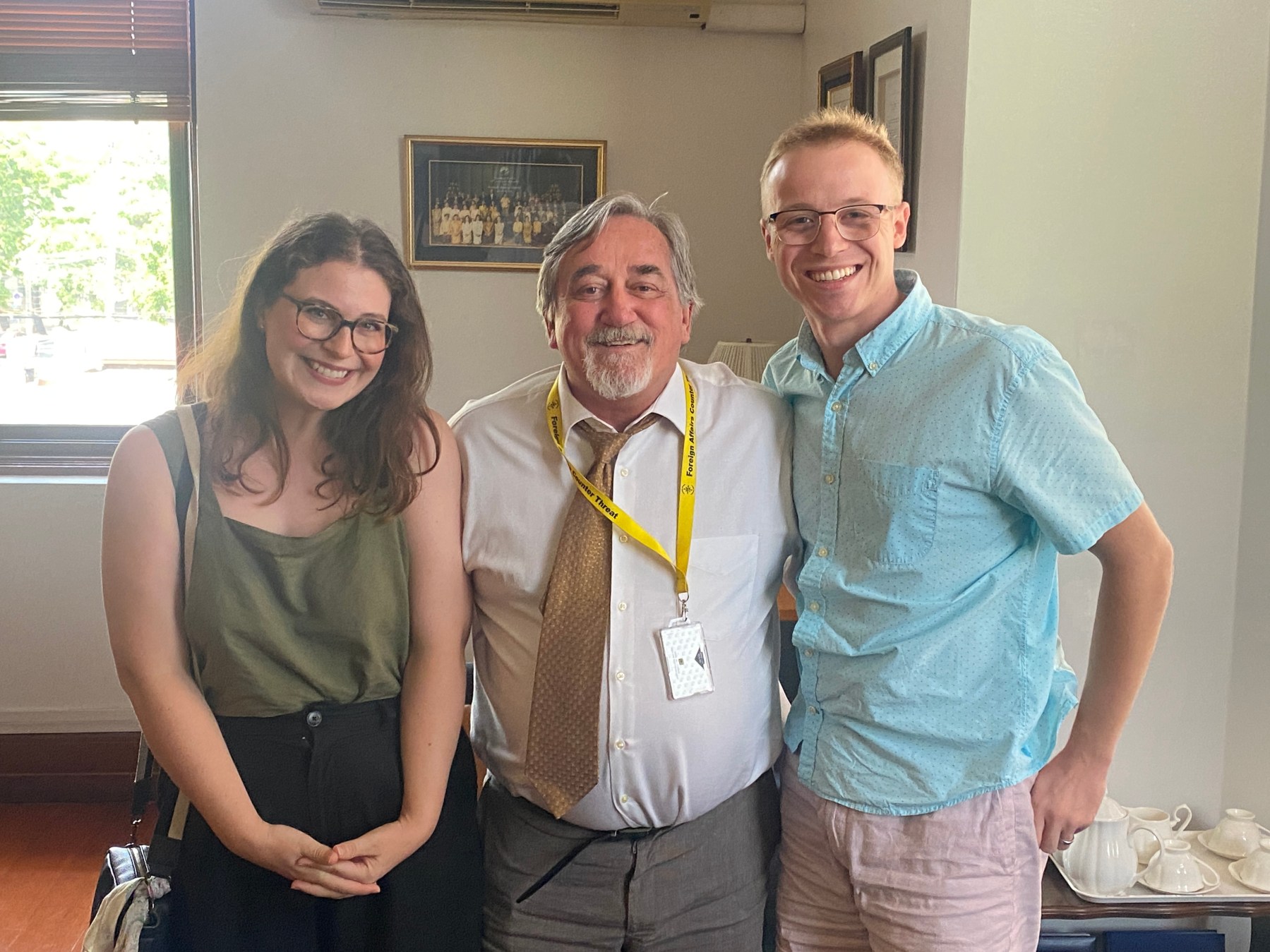
Leading up to Peace Corps staff is another example of Volunteer effort in building sustainable practices for future Volunteers. Not a typical office environment, Volunteers are separated from the office by tens to hundreds of kilometers. Thankfully, with technological communication, there are convenient and efficient ways to communicate with staff. The institutional knowledge of Volunteers is vital to the growth and success of future Peace Corps Volunteers and much of it was unfortunately lost due to the COVID-19 shutdown. As the first few groups back to service, it has been important to us to create sustainable practices and projects not just in our communities but for Volunteers to come. A key example of leading up from Volunteers to staff has been our ongoing feedback on the Pre-Service Training process. Now with two cohorts in-country and another in the middle of PST, we have been able to give year-over-year data and examples that have helped staff make important changes to the 10+ week training schedule all for the betterment of Volunteers and the communities they will serve.

Leading up is not always easy. Going to a supervisor with an idea or a critique can make even seasoned leaders nervous. By relying on the relationship of trust, shared goals, and quality communication a leader can practice leading up having confidence that they will be listened to and heard out by their superior even if the result isn’t change. Having a voice, bringing that voice to any and every room, and utilizing your voice correctly is a mark of a quality leader. Leading to any level, down, across or up, isn’t a standalone opportunity. In our concluding piece, we’ll wrap up the 360 process to come full circle!


 Sticky Rice