
Peace Corps Thailand was recently directed by leadership in Washington, D.C., to cancel a planned Diversity, Equity, and Inclusion (DEl) discussion with a group of new PC Thailand trainees. Since then, directives have continued to come through removing diversity workshops and resources from Pre-Service Training and online.
We, the admin team of Sticky Rice, believe this decision directly opposes our mission and America itself.
The admin team has released a statement of our opinion on this topic. To highlight the importance of diversity, equity, and inclusion in our lives, we invited current Thailand PCVs to tell us what it has meant to them and their service… here are some of their responses.
Disclaimer: The views expressed here are of Sticky Rice staff and individual volunteers and do not necessarily reflect the views of the U.S. Government, the Peace Corps, or the Thai Government.
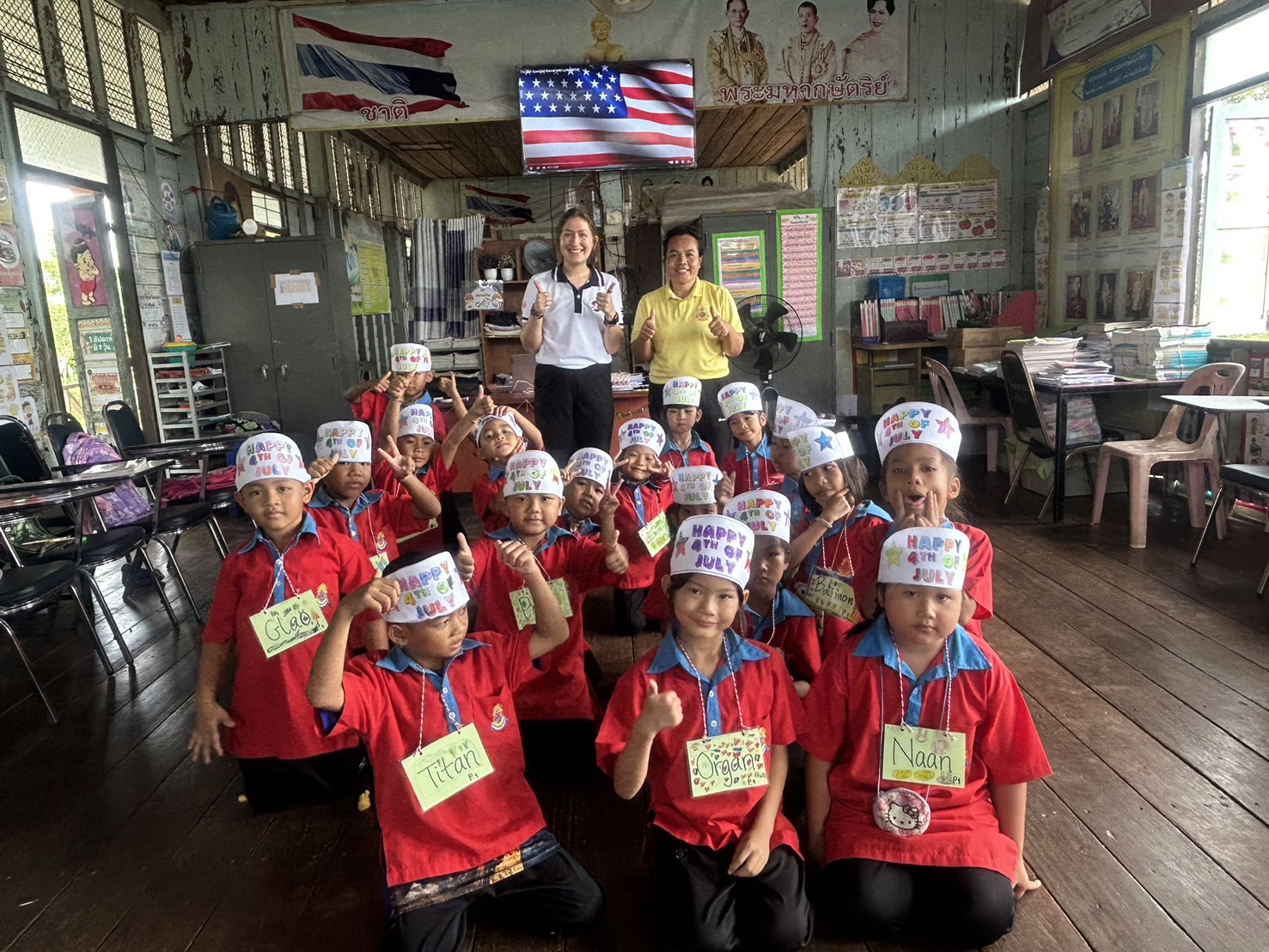
Bianca Palese, 134 TESS
America would not be the most powerful, prosperous country in the world if it wasn’t for the diversity of its people and strong institutions to nurture their ideas. That is a fact, not an opinion.
The U.S. attracts the most intelligent people in the world to our universities and businesses allowing us to utilize the minds of the best humanity has to offer to innovate and grow. I recently read in a novel that “talking is existing”, because when we talk it will perhaps spark a new idea and then we’ll feel like humans instead of robots. When you talk to someone whose life experience is shared through the lens of their identity, including race, gender, sexuality, age, and more, that spark is brighter and more likely. Growing up in a diverse setting has set fire to my brain, and became a light in my life.
It is a mortifying, devastating shame that not all Americans realize this. When you’re an American living abroad, especially in a place as culturally different and homogenous as Thailand, you begin to appreciate the things that you took for granted back home. I feel as if I know a secret, or perhaps have a part of my brain unlocked that hasn’t in others, because I have interacted with and included diverse people in my life. I like to believe that if all Americans lived outside the bubble that is the U.S. for even a short time they would realize that we are granted the gift of thinking more freely and creatively due to the undercurrent of inclusion that has been the societal norm until now. I feel so proud to come from a country where every kind of person can exist freely and have a voice.
I feel so disappointed that the current administration is actively eroding the institutions that make those qualities possible. DEI is the secret weapon of the United States. The Trump administration must stop undervaluing and dehumanizing the experience of our people based on their identity. We must celebrate all people from all backgrounds, races, religions, gender, age, ability, citizenship status, etc. We deserve to be treated based on the quality of our character, what we say and how we act towards ourselves and others, and not on stereotypes or unconscious biases. It is of the utmost importance now and always that the U.S. sets an example for the world on inclusion, equity, and equality of all people. We cannot stop fighting for these values until we are truly one nation, indivisible, with liberty and justice for all.
Anonymous, Thailand PCV
It has been really hard lately to look at the news and hear about the decisions our new administration has been making and not feel bitter and frustrated. I want to acknowledge that those feelings have played a role in what I wrote, and also that I am not nearly as educated on these issues as others are.
The erasure of the DEI programs strikes me as particularly bad for Peace Corps volunteers because in our sites, we are diversity. If erasing DEI is supposed to make people colorblind, well, no one at my site got that memo. I am constantly stared at, commented about, and mentioned for having a different color skin, for being different. It isn’t a bad thing! It’s just an everyday fact of living at site. But it was very useful for me, as a trainee, to go through sessions that talked about diversity – and especially, to hear from people who had faced these challenges before, either in the States or in Thailand.
I am not diverse in America. And the frustrations I deal with here because of my Identity as a white American do not necessarily correlate to the issues minorities face in the States. But the wisdom those minorities have for dealing with such things was/is valuable to me, as I navigated my new reality in Thailand, and I want future volunteers to be able to learn from them too.
Peace Corps volunteers have to learn how to be a minority. White American males are not the experts on this. Ignoring this fact will only leave future volunteers floundering. Please let Peace Corps volunteers learn from their fellow, diverse Americans what it means to be the representation of diversity in a community. Please let diversity panels happen.
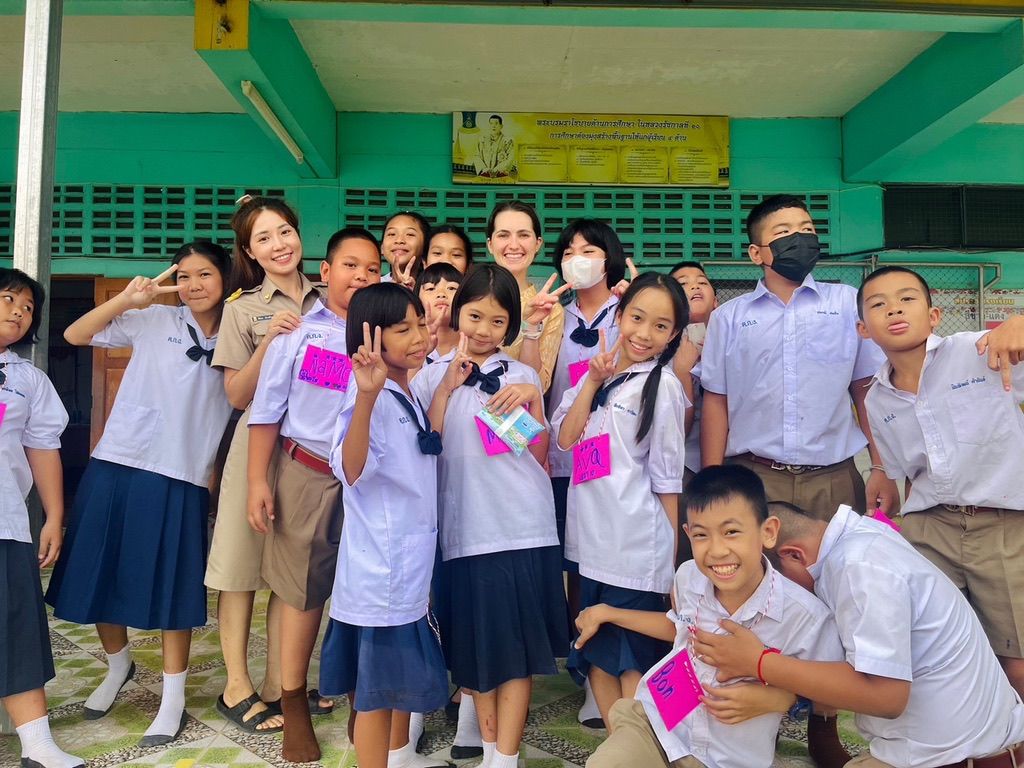
Kayla Kawalec, 134 YinD
I am in Thailand right now, working in Thai schools, with Thai counterparts and Thai students because Thailand values Diversity – the “D” in DEI that you keep hearing so much about lately. Thailand doesn’t just value diversity, though, they’re invested in this value and have been for at least 60 years in which the Royal Thai Government has partnered with the Peace Corps of America. Some critics of DEI initiatives and programming believe that by focusing on diversity, discrimination is paradoxically increased so why would Thailand actively seek it out?
Why would a largely homogenous country be invested in promoting diversity of all things? Why, one should want to know, would Thai mayors and Thai school directors choose to go through an arduous application process in order to host a foreigner in their community for two years at the cost of hiring a Thai teacher? There is no imperative to do this, yet communities all across the country agree to give a foreigner an opportunity, an “advantage” over one of their own. These communities are participating in a form of diversity hiring, they’re bringing in a person who doesn’t look, talk, or think like they do on that principle alone (along with the agreement that the volunteer will come to the community trained). Many communities apply for a Peace Corps Volunteer (PCV) multiple times. Clearly, they find value in prioritizing a diverse hire. So why?
The obvious answer is that for the Thai people, having a native English speaker living in their community, interacting with their children, and working with their Thai teachers is an obvious benefit. But any PCV could tell you that the reality is much more nuanced than that. My community members don’t value my presence simply because I can speak English. If I’m being honest, I speak very little English in my community because there are few people who would benefit from or appreciate a fluent speaker speaking gibberish at them. My community values the very thing they brought me in for, my differences. They see the value in cultural exchange and want to learn from my diverse experiences and perspectives. I’ve written more about this in my article on Beliefs, but suffice to say, I’ve benefited greatly from this experience too.
You could take this example and multiply it by almost 3,000, the number of my fellow volunteers currently serving around the world. When the Peace Corps is invited by a country, that country is actively choosing to “hire” a foreigner over a native, they’re choosing to believe in the benefits of intentionally instituting diversity. Now, again, I want to know why. Why does my country, a country of native people and immigrants and descendants of slaves, a country as diverse as they come, think it knows something that the almost 60 countries around the world who host PCVs do not? Why do we believe we’re above practicing what we preach to the countries we serve in as Peace Corps volunteers? Are we in America so distracted by semantics? Are we so inured to the privilege of what has been baked into the DNA of our country? Have we forgotten that cultivating diverse spaces and the benefits they bestow aren’t a given? Diversity must be earned. Diversity must be worked for and respected and prioritized and preserved. The countries that we serve recognize this, so why can’t America and what will it cost us?
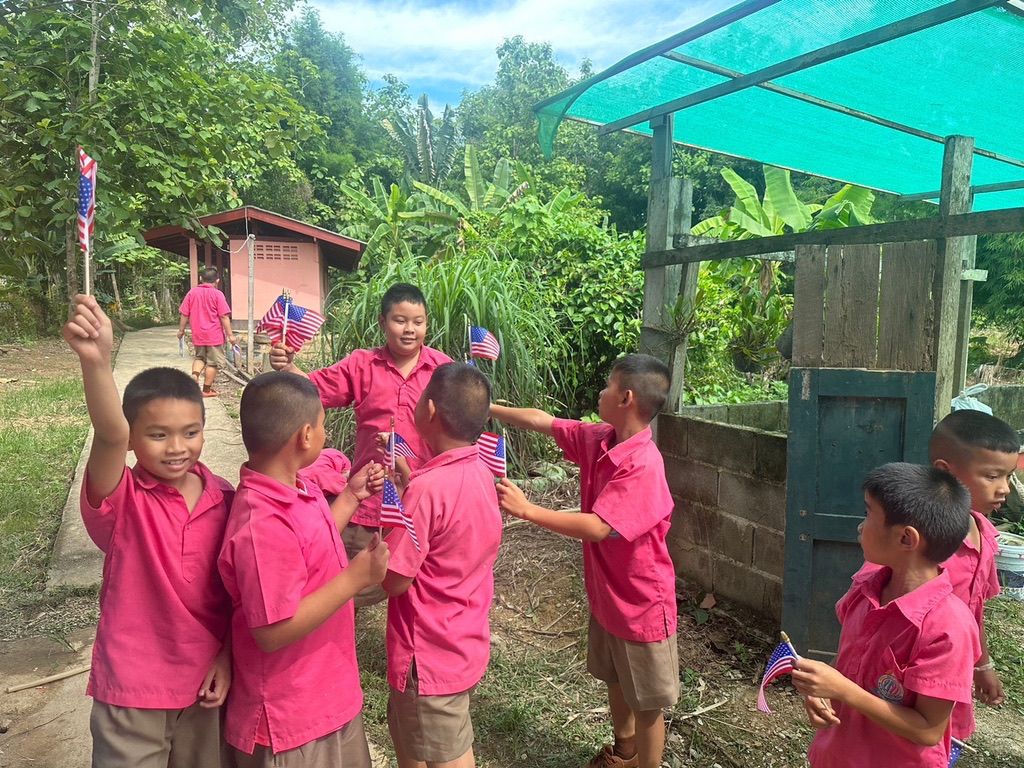
Mack Devoto, 135 YinD
As someone who grew up in suburban Iowa, moving to Washington, D.C., for university was a drastic change. While I loved where I grew up, the lack of diversity was staggering in comparison to the large, urban area of the city. However, this was never something I particularly noticed, since I blended into the majority as a cis-gendered white girl. It was only upon my move to DC when I realized just how narrow my perspective had been, growing up. The city exposed me to a plethora of people from different backgrounds from me.
Washington, D.C., is, specifically, a large melting pot in the United States. The capital is known for being host to many people who did not grow up there: a ‘transplant city’ if you will. Since DC is known to be the hub of government and foreign affairs, there are many people from around the world. An amalgamation of different cultures, religions, and ethnicities. I quickly realized what I had been missing out on in suburban Iowa. I had missed out on perspective. For what is life, without discovering new perspectives? Boring and ignorant, is what.
Joining the Peace Corps has always been a goal of mine since I was a kid. I have known for a long time that I wanted to be a volunteer abroad, to share what it means to be an American, to me, and to utilize my skills to improve my community in whatever ways they need.
I got unbelievably lucky when I was assigned to come to Thailand. Thailand is a beautiful country, with amazingly kind people. Thailand is also a very homogenous country. Many people who are born here, choose not to leave, and choose to stay very close to home. Thailand holds many collectivist values, which plays into the typical want to stay close to where they grew up. Additionally, since Thailand is one of the few countries to have never been colonized, the culture is incredibly rich. Religion, tradition, and monarchy is intricately woven into the fabric of Thai society.
The Thai perspective on America and what it means to be American is quite specific. When applying for a Peace Corps Volunteer, many sites will request this picture of a ‘typical American’. This just emphasizes the importance of representing diversity here. Diversity, Equity, and Inclusion programs and mandates allow organizations like the Peace Corps to more accurately portray the reality of what it means to be an American. That being an American actually has a much more abstract, complex meaning than we are perceived to have.
Additionally, DEI trainings provide volunteers with the necessary resources on how to accurately share and celebrate the importance of diversity within their communities. Various studies have shown that DEI initiatives create a more comfortable, collaborative environment in the workplace. Despite the current President’s orders to eliminate DEI programs in federal organizations, he cannot simply erase the presence of a diverse population. Americans come from every race, ethnicity, religion, sexual orientation, and gender. Just because he writes on paper his own beliefs, does not mean that we – as Americans – have to reflect these as well. I will continue to promote diversity, equity, and inclusion within my community and will continue to share about the America that I love. An America that is proud to share and encourage diversity. An America that works to create a safe, welcoming home for every American.

Read more articles centering diversity and diverse experiences here.
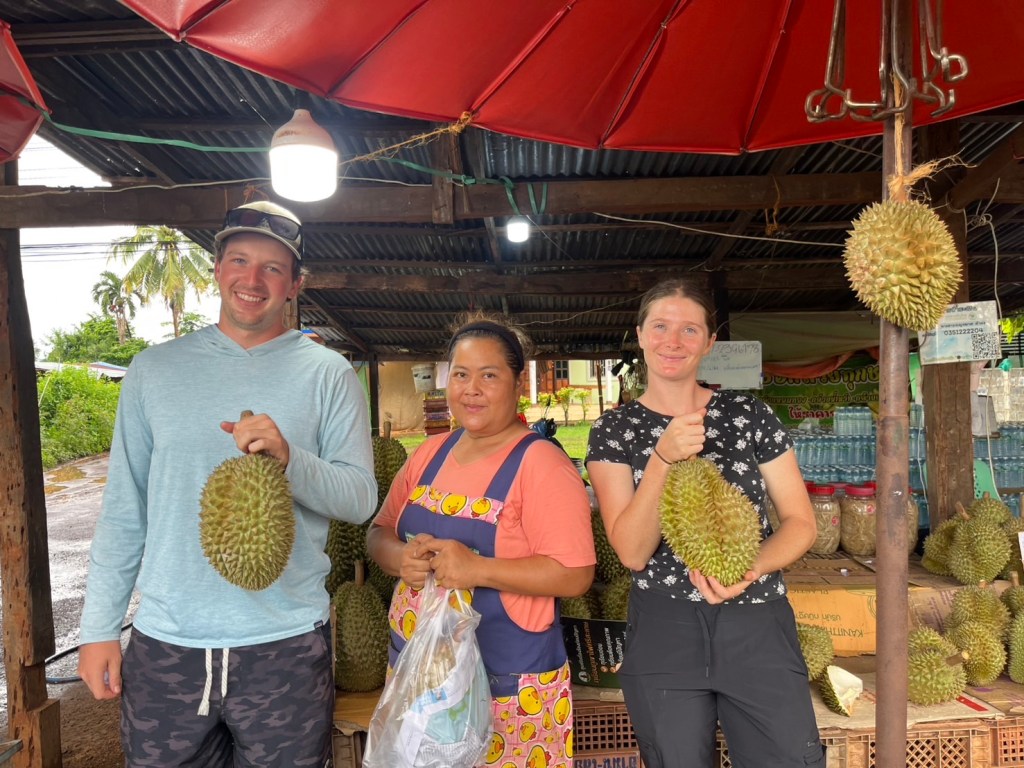

 Sticky Rice
Share your thoughts