
A Story to Tell is an ongoing series of interviews with the volunteers of Peace Corps Thailand by Group 135 TESS volunteer, K.D. Norris.
K.D. Norris, 135 TESS
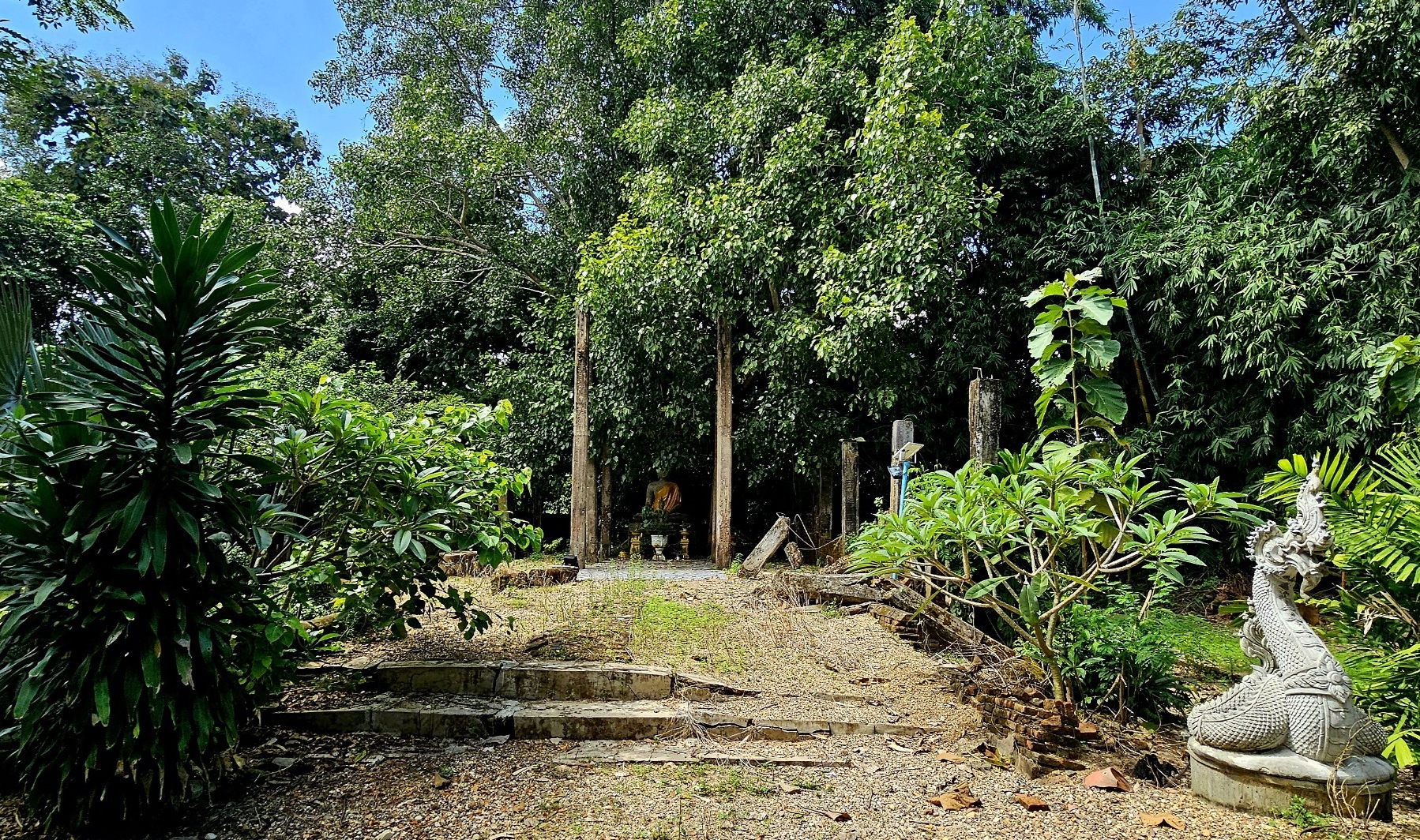
There is a phrase, a prayer really, that Jon says he repeats as he stands before the Buddha at the many wats he visits: jai-yen-yen in Thai transliteration.
As with much of the Thai language, there is nuance to the words — how you say it often carries different meanings. A literal translation is “cool heart” but in a deeper sense this phrase might be more “staying cool, calm and collected” or having a “patient heart and mind.”
Jon, a current Peace Corps Thailand volunteer with Group 134, is a retired electrical engineer from northern California “with ties to Texas,” he states.
He first looked into the Peace Corps in 1993, Jon said in a recent email interview with Sticky Rice, “but opted to follow graduate school and a career path before finally submitting an application midway through the pandemic.”
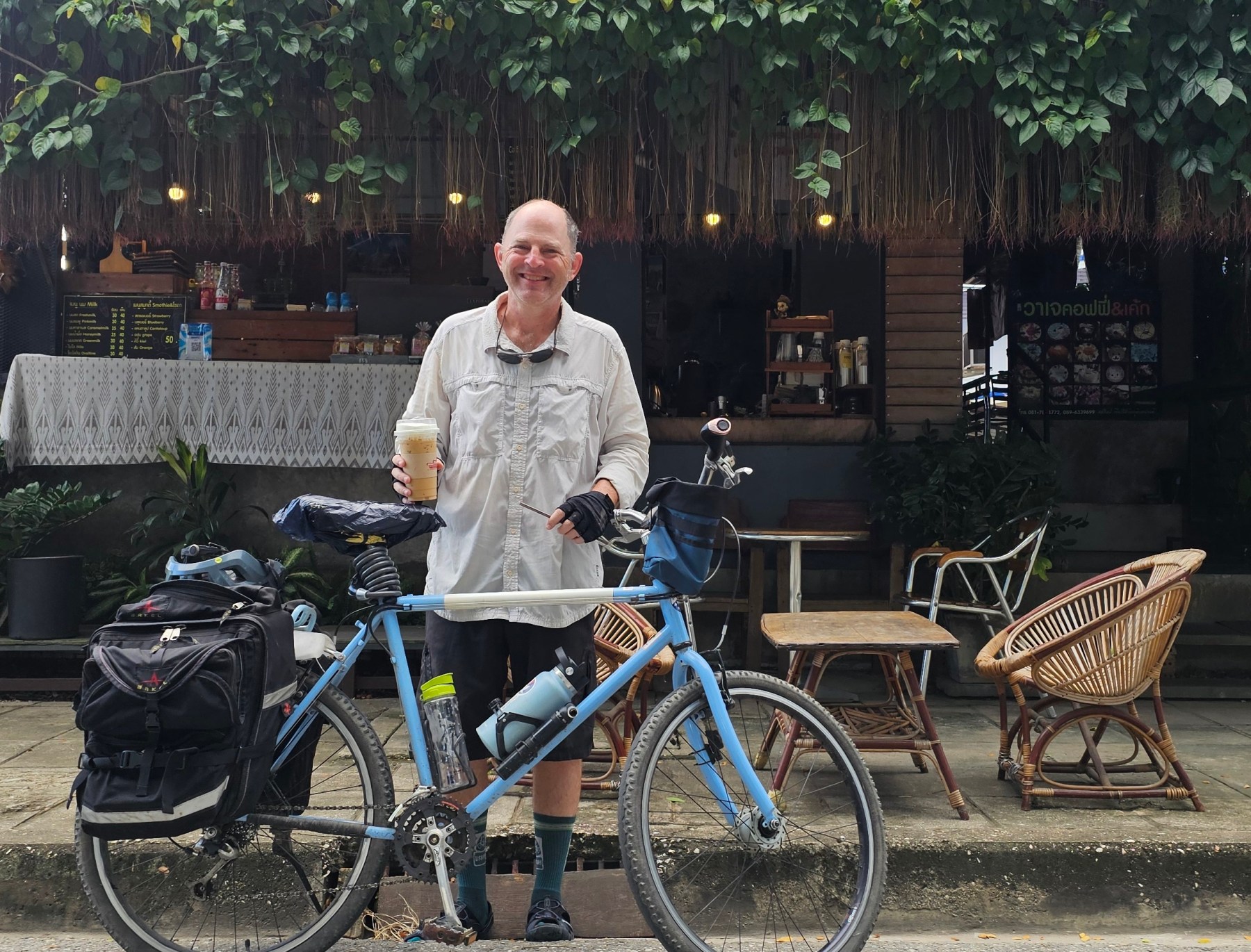
His story about why he applied, again, to Peace Corps echos the stories of many volunteers around the world. His experiences in-country are unique and yet, to those who have served in Thailand, are familiar. What is unique is his focus on visiting wats — Thai Buddhist temples. Many, many of them, and almost always by bicycle.
It was an “Ugly American” thing
“I read ‘The Ugly American’ in high school and really took the messages from that book to heart,” he said. “At the time, I didn’t realize it was the book that inspired then-Senator John F. Kennedy to want to form the Peace Corps when he was President.
“I believe my time here is better spent seeing and visiting as many rural sites as possible, where I would be interfacing with local communities. I accomplish this goal by attempting to bicycle to every village in Lampang Province. This was not consciously planned. I like bicycling for exercise, but do not enjoy counting kilometers or tracking time.
“When arriving at site in Northern Thailand … as I visited the wats, I began to meet people who were more isolated from Westerners, and it was exciting talking to them and satisfying their curiosity.”
Local welcomes and meditations
Jon has many, many experiences captured in photographs — he often shares on-the-road scenery of great and simple beauty. But many of his experiences are secure only in his memories.
A teacher from his Thai school was going to visit her husband’s home in Nan during a school break, he said, and the teacher offered to give him and his bike a ride there so he could explore wats outside of Lampang.
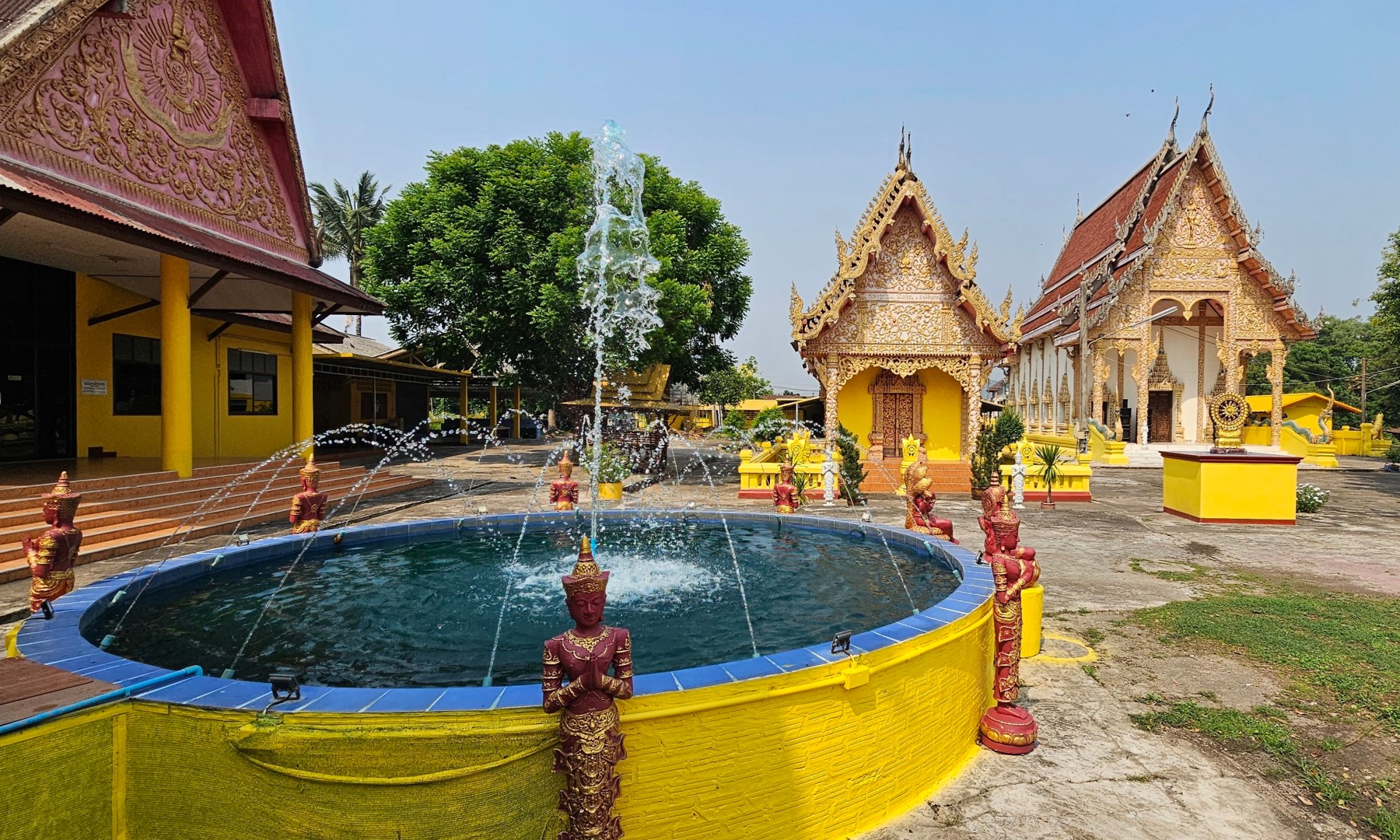
“I was following the Nan River south of the city when I arrived at Wat Chaeplang. Several people were gathered there in the morning to help clean the temple. They all stopped talking and stared at me as I entered the grounds. I explained that I was visiting as many wats as possible and photographing them.
“An elderly lady immediately exclaimed, ‘Oh, we should turn on the fountain!’ And so they did.”
And then there was that farang moment — a Thai word for “foreigner”.
“Are you the farang visiting all the wats?” a young man asked when Jon stopped at a coffee shop in Sop Prap district, toward the south of Lampang. “Apparently his mother had met me when I passed through the region (earlier) … And his brother had once seen me biking when he passed me in his truck.
“The recent encounter with the younger son reminded me that our presence is always noted, and what we do or say will be remembered.”
Few farangs, however, are invited to “Stay and meditate.”

“I was tired,” Jon said. “It was the morning of the last day of a 3-day ride from Mae Sai, Chiang Rai to home. I had just crossed into Lampang’s northern district, Wang Nuea, and diverted from the highway to climb a forest road to see a secluded wat.”
Isolated wats are typically not occupied, and so Jon thought he was alone. But the door to the monk’s hut swung open, and an older monk strode out. Jon explained to him what he was doing, and monk said that no Westerner had visited in the 5 years the monk had lived there.
“He proceeded to guide me to the sala and unrolled all the mats and cushions. ‘Stay and meditate,’ he said. “… Eventually, I was able to push all thoughts away and just focus on the kindness of the monk and the people of Thailand.”
The grand Wats are grand, but …
Of course, Sticky Rice had to ask Jon his favorite wat. And, of course, it was one off the beaten path.
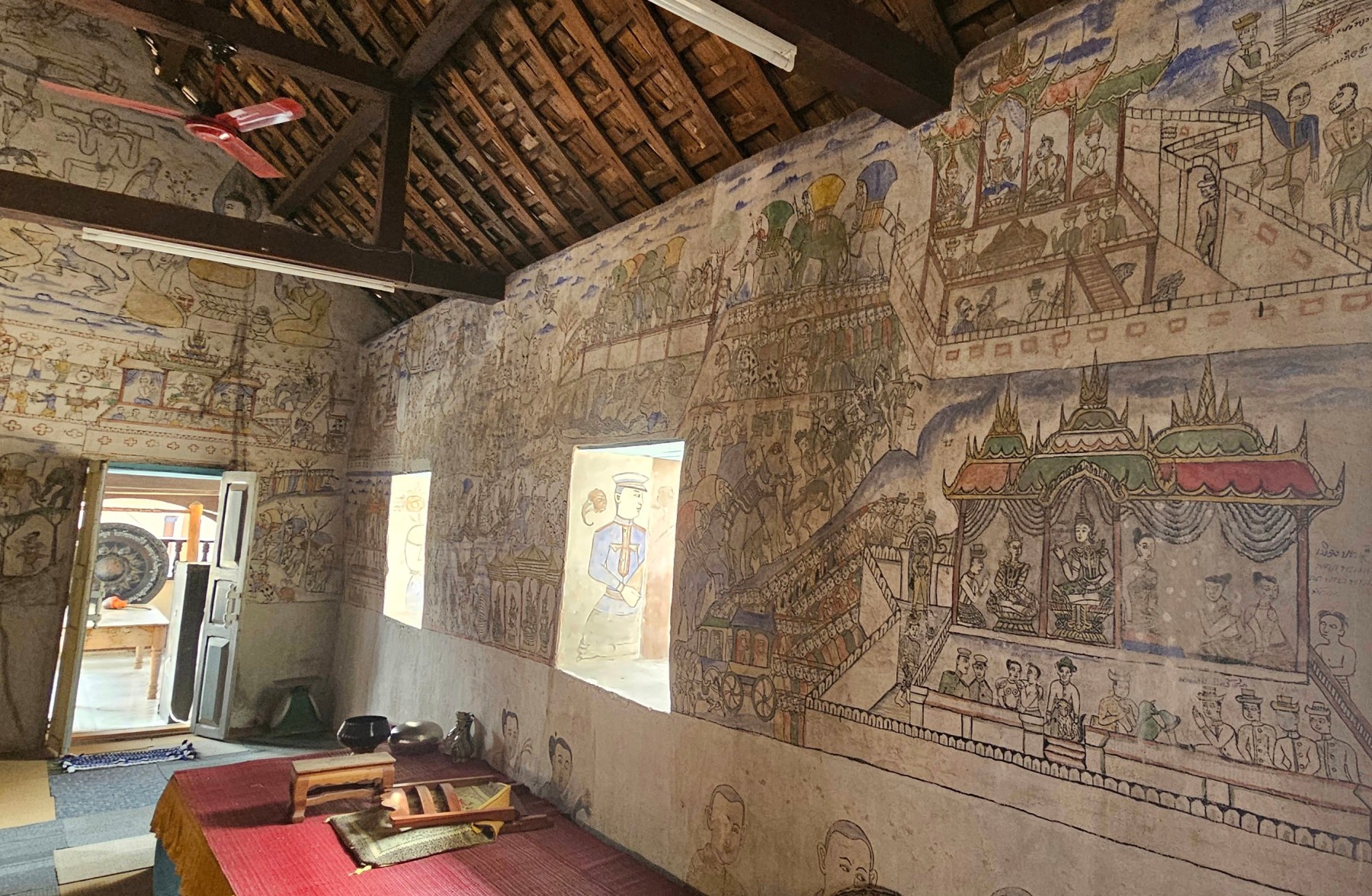
“Wat Ban Ko in Wang Nuea is my favorite temple,” Jon said. “It is located about 3 kilometers off the rural highway that runs north through the province. … What one discovers when visiting is the most amazing native art. A monk serving there maybe 50-plus years ago painstakingly painted the history of Buddha and modern Thailand on all the walls inside the bot and within its portico.
“My favorite wats are the modest ones that are maintained by the local communities,” he said. “The large and fancy temples found in Krungthep (Bangkok) and Chiang Mai are worth seeing, but they can be too touristy and flashy.
“The rural wats exhibit more warmth and sincerity,” he said. “You can imagine the prayers there to be more heartfelt. Will the rains come? Will the rains stop? Will the harvest make ends meet? May I have jai-yen-yen?
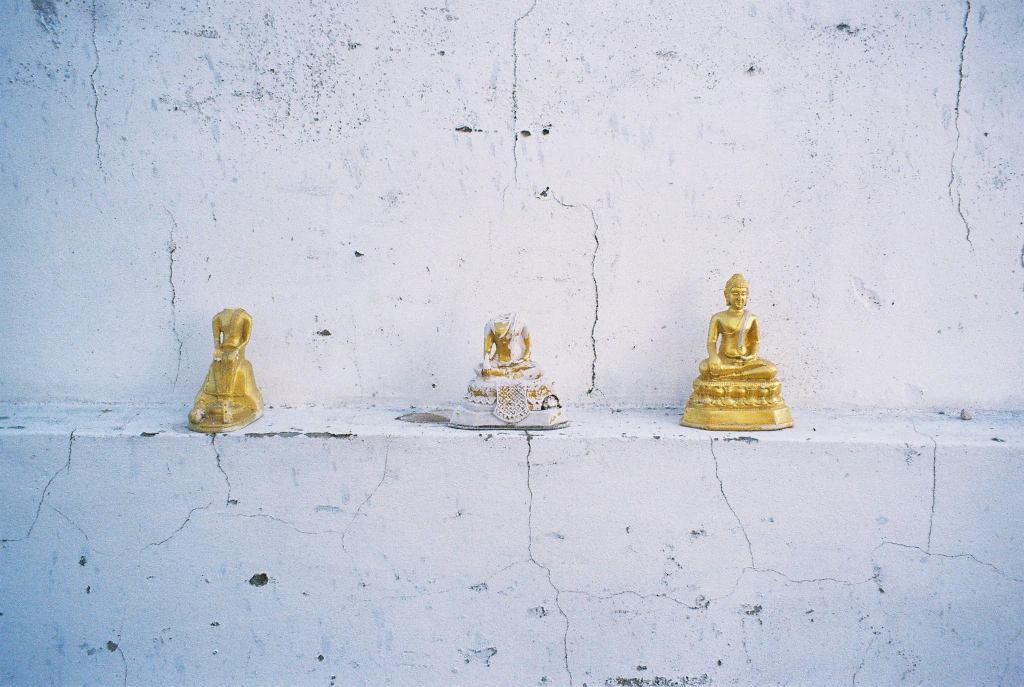
“If a wat’s bot is open, I make a point to go inside and wai the Buddha three times … Before bowing, I offer the same prayer: ‘Thank you for this experience. Thank you for my health. Thank you for someone recently met on that day’s journey who helped me. May I have jai-yen-yen?’”


 Sticky Rice
Share your thoughts