
360 Degrees is an ongoing series about Volunteer Leadership written by Group 134 TESS volunteer, Bradford Reszel. Bradford would love to hear from you about your experiences with leadership throughout this series. You can contact him at bradford.reszel@gmail.com.
Bradford Reszel, 134 TESS
When we picture a leader, it’s common we think of a boss, coach, teacher, or another individual with the position above their followers. Certainly, leaders rise up to positions of influence within an organization and therefore are more likely to be seen as leaders due to the role itself. Peace Corps Volunteers take on many responsibilities as a leader in their communities, sometimes based on their position alone. It takes time, effort, and trust to become a valued leader no matter how fast one gains the title or position. Building a community of trust will inevitably lead a Volunteer, or any leader, to a better relationship with those following them and those leading alongside. While 360 leadership means we can all lead no matter our position, let’s dive into this first direction of leadership where we typically think leaders do most of their leading – Leading Down.
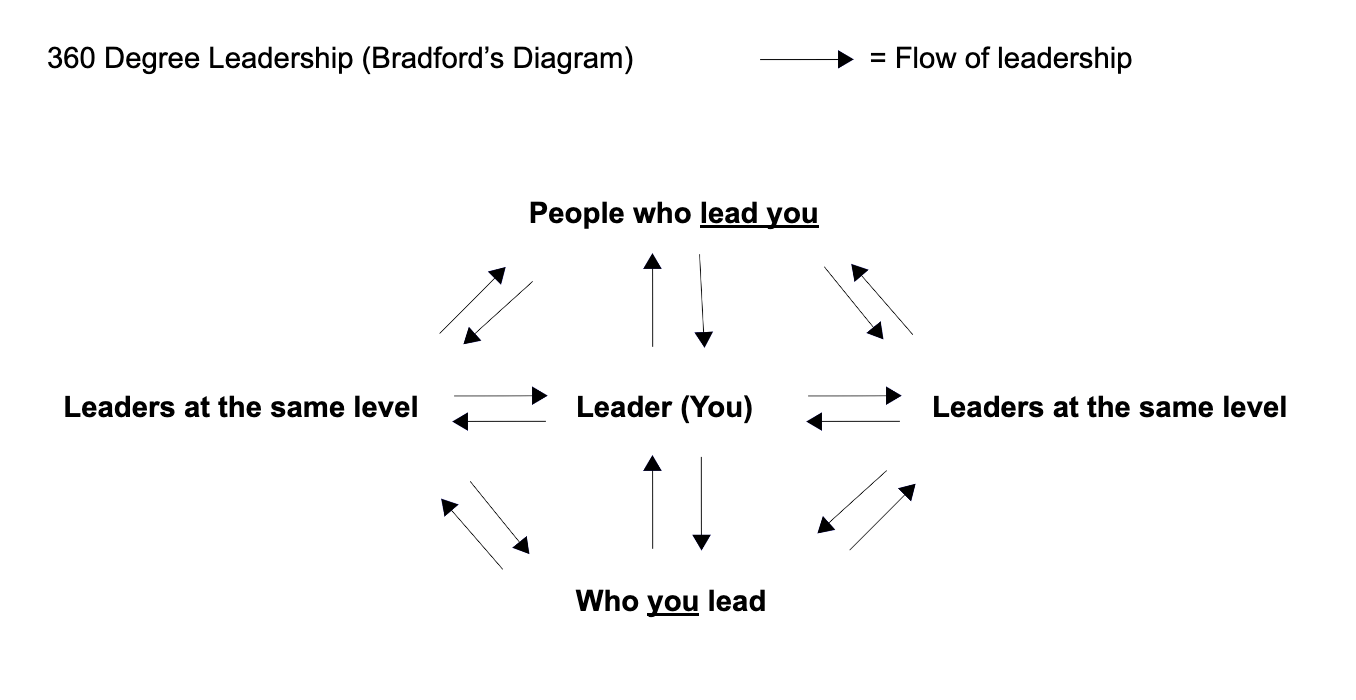
Driving the mission, giving direction, influencing the service – these are the marks of a leader in the most traditional sense. We look to them for inspiration and guidance. When Volunteers go out into the field, we assume this role alongside established local community leaders. No doubt this is a daunting task. Coming in as a complete outsider, with minimal language skills and lack of experience in cultural competence and understanding humbles each and every Volunteer. And yet, we jump in with excitement and curiosity with the confidence in our training and the humility to know we won’t have all of the answers.
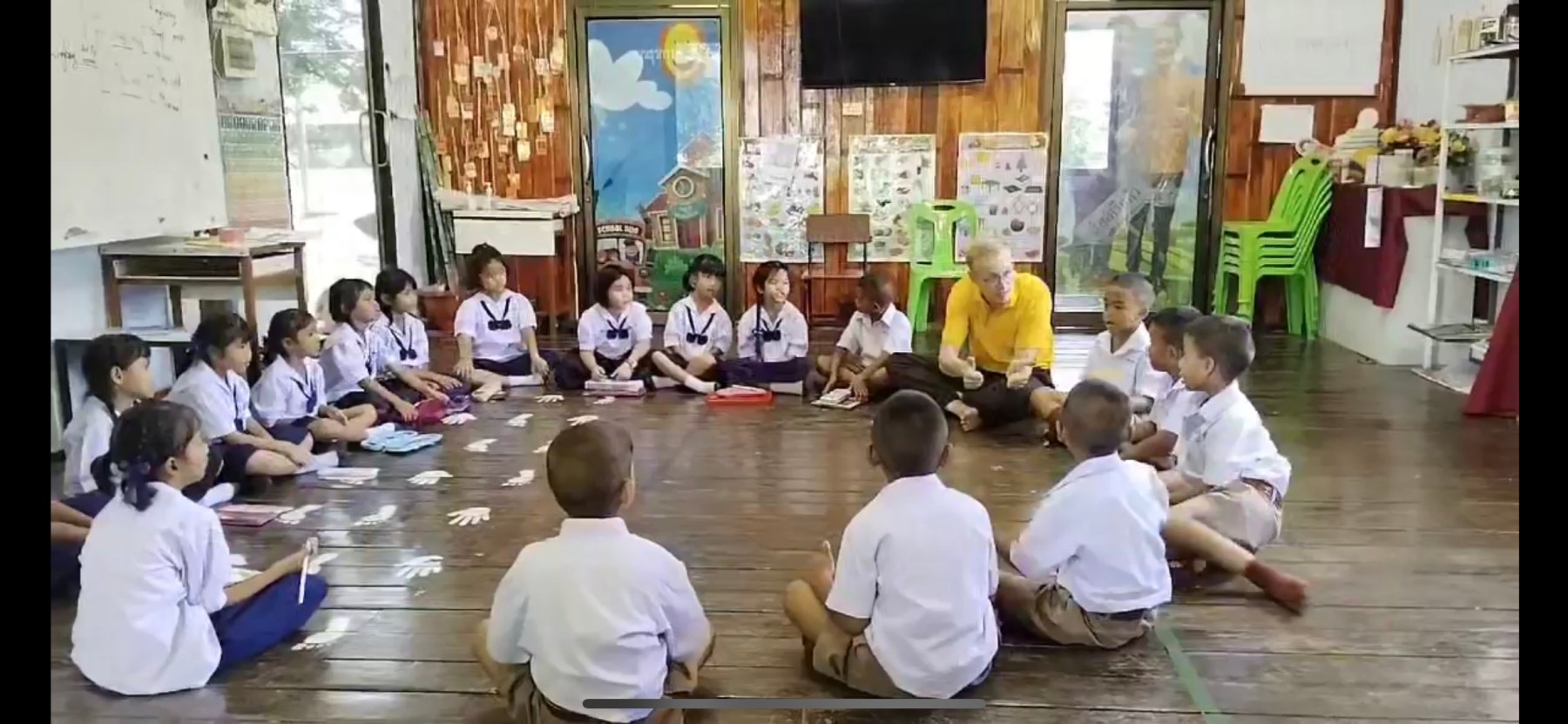
In Thailand, our Volunteer roles serving youth give us an immediate opportunity to lead down. Our students look to us for instruction, support, and fun! Being labeled as “Kru” (teacher) gives each of us the immediate clout of authority needed for leadership but it still takes time and dedication for us to be seen as trustworthy. These are the first tasks for any leader when leading down – establishing oneself in the role and building trust in your relationships with those you are leading. Being present and available are two of the biggest tools I’ve used in building trust with students. Showing them I care by being there, smiling, and always willing to give my time has taken my students from simply being curious about the foreigner, to sprinting to English class ready to learn.
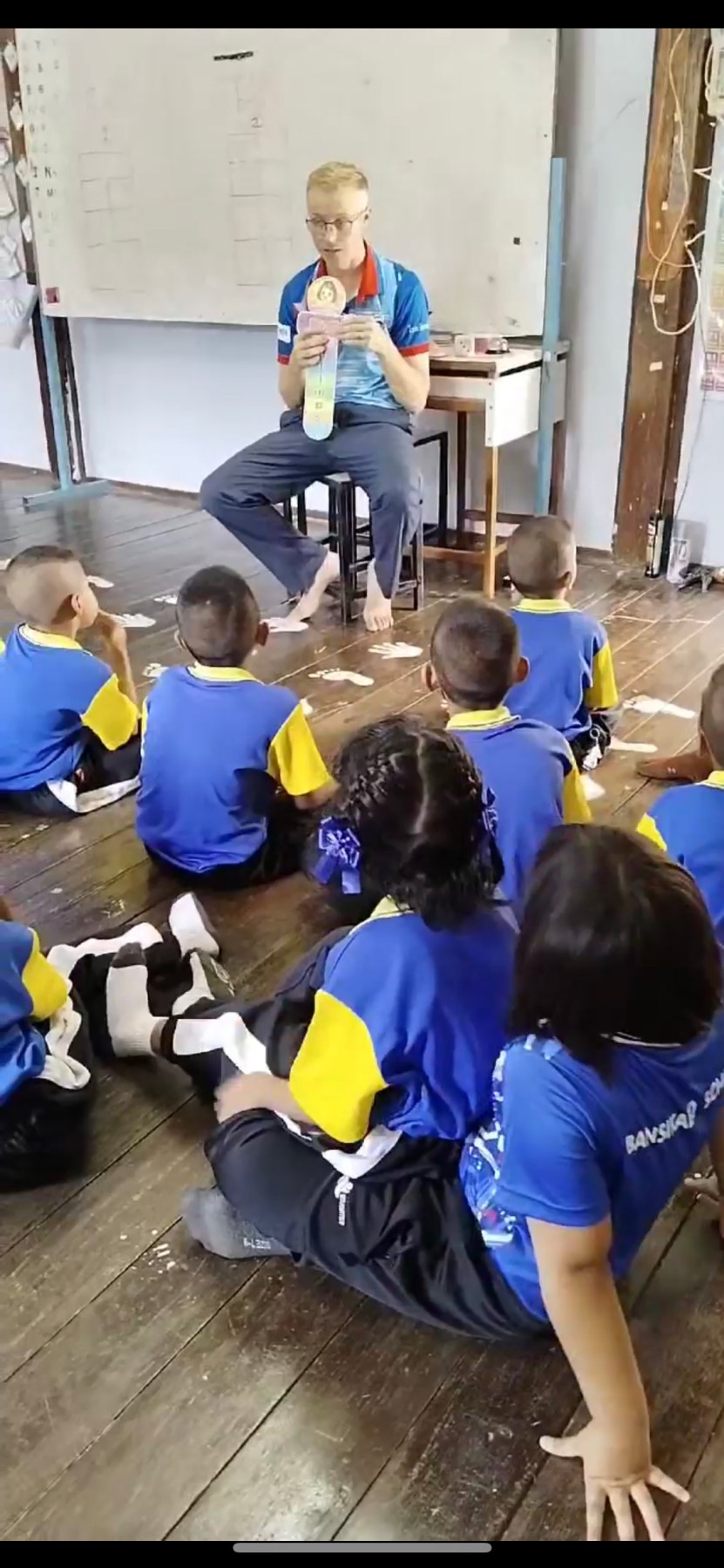
Leading down gives leaders an opportunity to build trust, impart knowledge, and develop those being led into better leaders. Development is an integral part of Peace Corps service and we, the Volunteers, are fortunate to work alongside leaders in our communities. Our counterpart teachers and government partners look to us to gain new skills and experiences to improve. Therefore, we lead down in the sense that we may be teaching a new skill or concept even though the community partner is our peer. We start blending the lines from leading down to leading across. Next time, we’ll take a closer look at peer to peer leadership and how Volunteers practice leading across in their communities and with other Volunteers.



 Sticky Rice
Share your thoughts