
Teresa Derr, 134 YinD
“What are you doing?” my family asks me.
“Sending an email to my grandpa,” I reply, turning from my computer.
“An email? Why don’t you call him? How old is he? What does he do? Does he live alone? You’re pronouncing grandfather wrong, it’s ‘dtaa’ not ‘dtaa’”
“Uh…” I scramble for answers, caught wrong-footed, wracking my brains for outdated information from the last time I had a conversation with Grandpa that was more than just a couple sentences. I don’t really have any of the answers to these questions. As my family nods and turns away, I wonder if that makes me a bad granddaughter.
—
“Who are you talking to?”
“One of the other asasamaaks (volunteers), James.”
“Where does he live? How old is he? Is he a man or woman? What color is his skin? Does he have a girlfriend? Why did you call him and not text? You text all the other asasamaaks.”
I struggle. I can tell them he’s male and white, but that’s about it. Knowing where all the other 46 volunteers are stationed isn’t something I thought I’d be quizzed on. I consider James my friend, but are the answers to those questions necessary to be a good friend?
—
“Have you called your parents today?”
“No, they’re still asleep.”
“You haven’t called them all week. Aren’t you homesick? Don’t they miss you? Aren’t they worried about you? How old are they? Do the rest of your siblings live with them? When are they going to come visit you? How can they go so long without seeing you?”
I’ve had this conversation several times before, and I’m still not sure they understand that family expectations are different in the States. How do you explain that calling someone every day just to check on them isn’t what Americans do?
—
“Who’s that?”
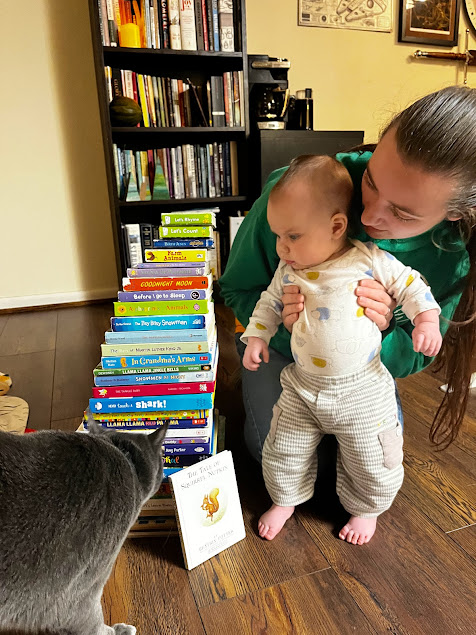
“My niece,” I say, turning the phone around to better show off the picture.
They look and smile and nod, giving the usual “aww, cute” that everyone gives for baby pictures. I wait for the questions to start. I know the answers this time. I can tell them her age, where she lives, all about her parents, when she started crawling, even what she ate – I’d be thrilled to talk more about my niece! I’m a great aunt! But they turn away, leaving me to stumble over nothing as the conversation peters out.
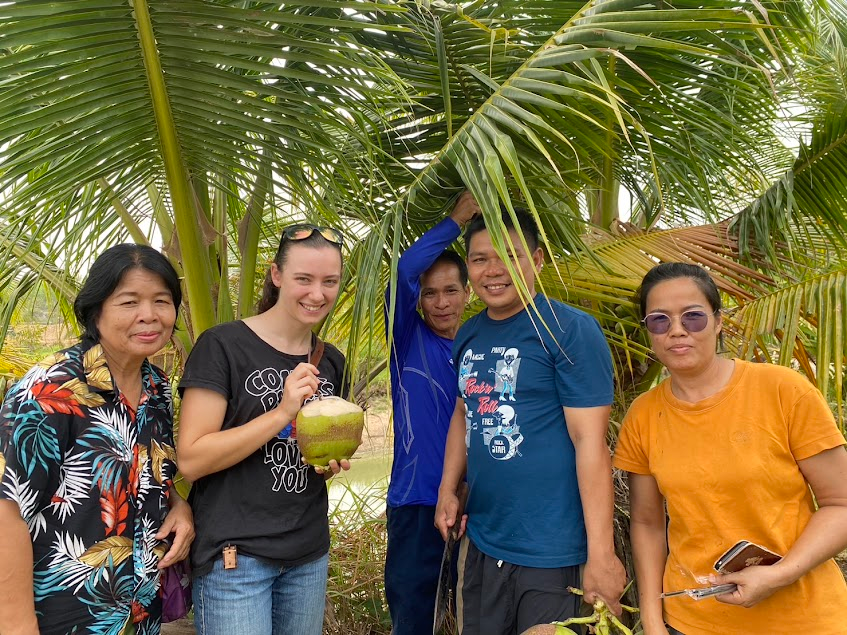
Relationships are expressed differently here. Calling someone fat doesn’t seem to be an insult, acknowledging age is important, and regular visits and/or calls to keep up to date on all the latest news is a must. You always show respect for those older than you, worry about those in the family who live alone, and feed anyone who shows up at your door, no matter the time. I find these aspects of a close community relationship beautiful, and am eagerly trying to integrate myself into them as best I can.
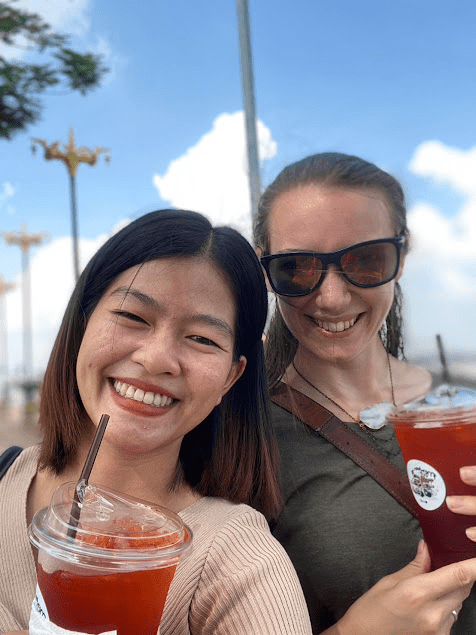
But I also find that my relationship with my family at home has elements that, while different, work better for us. It is hard to keep in touch with those you care about when you rarely see them, and my American relationships reflect that. We don’t talk all the time, but I know I can always reach out to my friends and have the relationship ready and waiting for me to pick back up. When I think about my Grandpa, I think about his love for hunting and how he cares for his dogs. When I spoke to James, we were sharing stories of our experiences in Thailand. My family has a very close relationship, between all of us, even if we’re all in different locations doing different things. I know I can count on them to be there when I need them to be.
I definitely believe I will cherish the Thai relationships I will build, even if they won’t look like my American ones. I already have so many people that I want to get to know better, that I can tell worry about me and love me like I’m family already. But I think that my American approach to relationships is also important, especially as I know I won’t be here forever, and perhaps at the end of service, I’ll be able to blend the best of the two approaches into a relationship method that makes me a great friend to have.
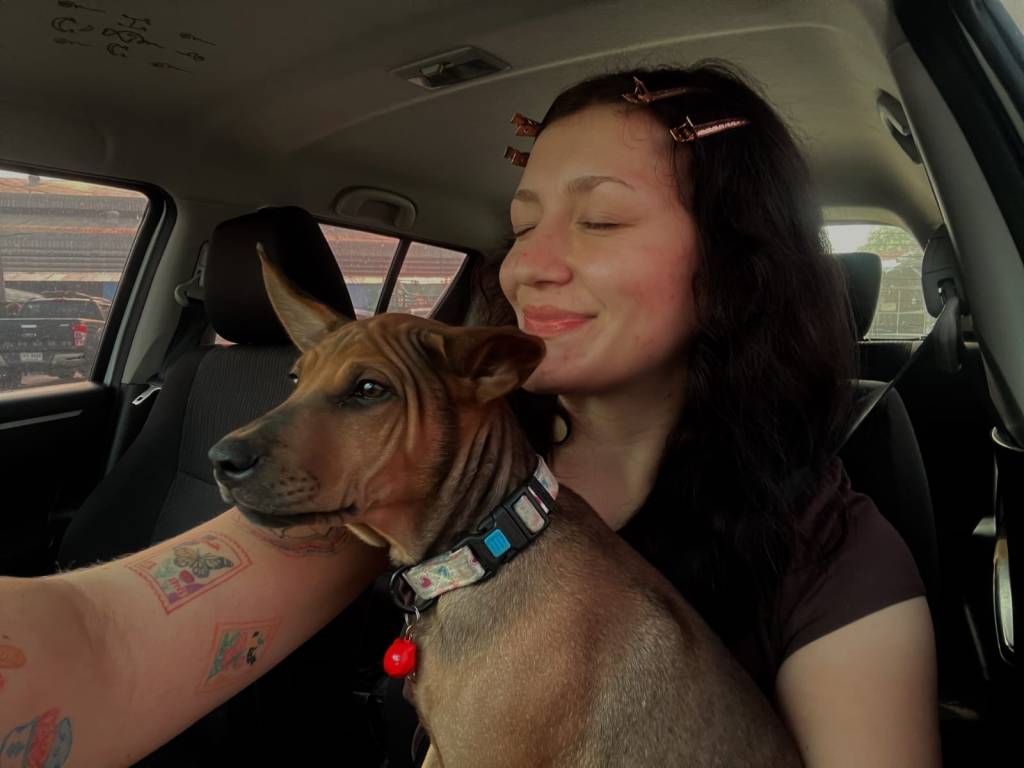


 Sticky Rice